FamousArtist

Artists / The Renaissance Wing

Pieter Bruegel the Elder

peasants painted with the gravity of kings

Lived
1525–1569
Nationality
Netherlandish
Movement
Northern Renaissance
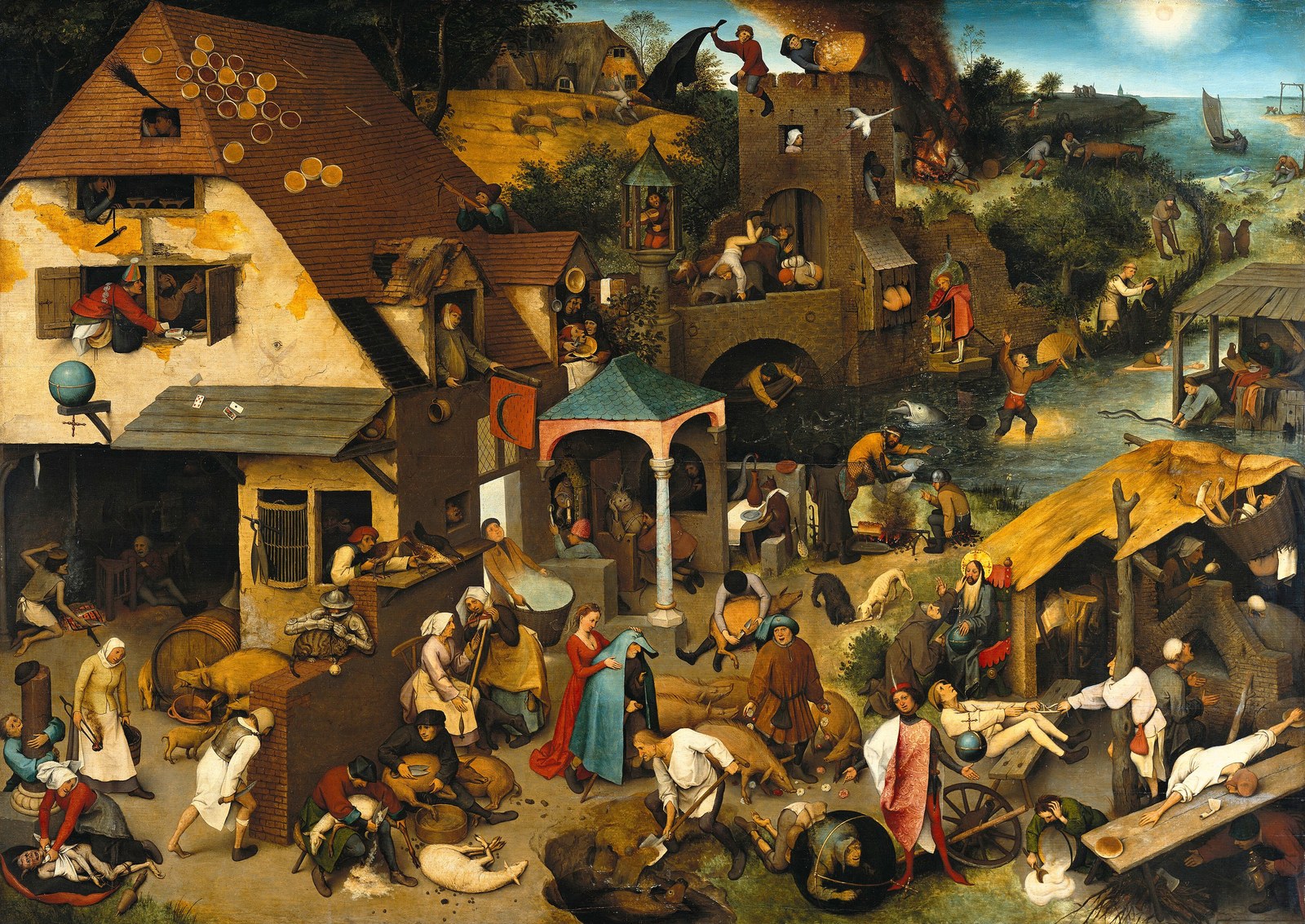
Netherlandish Proverbs (The Blue Cloak) title QS:P1476,en:"Netherlandish Proverbs (The Blue Cloak) "label QS:Len,"Netherlandish Proverbs (The Blue Cloak) "label QS:Les,"Los proverbios flamencos"label QS:Lyue,"尼德蘭諺語"label QS:Lhu,"Flamand közmondások"label QS:Leu,"Esaera zahar flandestarrak"label QS:Lms,"Peribahasa Belanda"label QS:Lde,"Die niederländischen Sprichwörter"label QS:Lbe,"Фламандскія прыказкі"label QS:Lhy,"Ֆլամանդական ասացվածքներ"label QS:Lzh,"尼德兰箴言"label QS:Lda,"Nederlandske Ordsprog"label QS:Ltr,"Felemenk Atasözleri"label QS:Lja,"ネーデルラントの諺"label QS:Lsv,"Nederländska ordspråk"label QS:Luk,"Нідерландські прислів'я"label QS:Lfi,"Flaamilaisia sananlaskuja"label QS:Leo,"Nederlandlingvaj Proverboj"label QS:Lit,"Proverbi fiamminghi"label QS:Lfr,"Les Proverbes flamands"label QS:Let,"Madalmaade vanasõnad"label QS:Lvi,"Tục ngữ Hà Lan"label QS:Llv,"Nīderlandiešu sakāmvārdi"label QS:Lhe,"הפתגמים ההולנדיים"label QS:Lel,"Παροιμίες των Κάτω Χωρών"label QS:Lsl,"Nizozemski pregovori"label QS:Larz,"الامثال الهولنديه (لوحه)"label QS:Lro,"Proverbe neerlandeze"label QS:Lko,"네덜란드 속담"label QS:Lfa,"ضرب‌المثل‌های هلندی"label QS:Lpl,"Przysłowia niderlandzkie"label QS:Lru,"Фламандские пословицы"label QS:Lnl,"Nederlandse Spreekwoorden"label QS:Laz,"Niderland atalar sözləri (tablo)"label QS:Lcs,"Nizozemská přísloví"label QS:Lbg,"Нидерландски пословици"label QS:Lca,"Proverbis neerlandesos"label QS:Lpt,"Provérbios Neerlandeses"label QS:Lar,"أمثال هولندية"label QS:Lbr,"Krennlavaroù flamank"label QS:Lmk,"Фламански поговорки" — Pieter Bruegel the Elder
Netherlandish Proverbs (The Blue Cloak) title QS:P1476,en:"Netherlandish Proverbs (The Blue Cloak) "label QS:Len,"Netherlandish Proverbs (The Blue Cloak) "label QS:Les,"Los proverbios flamencos"label QS:Lyue,"尼德蘭諺語"label QS:Lhu,"Flamand közmondások"label QS:Leu,"Esaera zahar flandestarrak"label QS:Lms,"Peribahasa Belanda"label QS:Lde,"Die niederländischen Sprichwörter"label QS:Lbe,"Фламандскія прыказкі"label QS:Lhy,"Ֆլամանդական ասացվածքներ"label QS:Lzh,"尼德兰箴言"label QS:Lda,"Nederlandske Ordsprog"label QS:Ltr,"Felemenk Atasözleri"label QS:Lja,"ネーデルラントの諺"label QS:Lsv,"Nederländska ordspråk"label QS:Luk,"Нідерландські прислів'я"label QS:Lfi,"Flaamilaisia sananlaskuja"label QS:Leo,"Nederlandlingvaj Proverboj"label QS:Lit,"Proverbi fiamminghi"label QS:Lfr,"Les Proverbes flamands"label QS:Let,"Madalmaade vanasõnad"label QS:Lvi,"Tục ngữ Hà Lan"label QS:Llv,"Nīderlandiešu sakāmvārdi"label QS:Lhe,"הפתגמים ההולנדיים"label QS:Lel,"Παροιμίες των Κάτω Χωρών"label QS:Lsl,"Nizozemski pregovori"label QS:Larz,"الامثال الهولنديه (لوحه)"label QS:Lro,"Proverbe neerlandeze"label QS:Lko,"네덜란드 속담"label QS:Lfa,"ضرب‌المثل‌های هلندی"label QS:Lpl,"Przysłowia niderlandzkie"label QS:Lru,"Фламандские пословицы"label QS:Lnl,"Nederlandse Spreekwoorden"label QS:Laz,"Niderland atalar sözləri (tablo)"label QS:Lcs,"Nizozemská přísloví"label QS:Lbg,"Нидерландски пословици"label QS:Lca,"Proverbis neerlandesos"label QS:Lpt,"Provérbios Neerlandeses"label QS:Lar,"أمثال هولندية"label QS:Lbr,"Krennlavaroù flamank"label QS:Lmk,"Фламански поговорки", 1559 · Wikimedia Commons (Public domain)
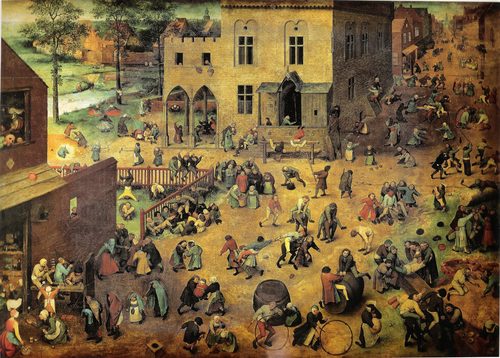
Children’s Games title QS:P1476,en:"Children’s Games "label QS:Len,"Children’s Games "label QS:Lit,"Giochi di bambini"label QS:Lfr,"Les Jeux d’enfants"label QS:Let,"Laste mängud"label QS:Larz,"العاب اطفال (لوحه)"label QS:Lel,"Παιδικά παιχνίδια"label QS:Leo,"Infanaj ludoj"label QS:Les,"Juego de niños"label QS:Lde,"Die Kinderspiele"label QS:Lvi,"Trò chơi trẻ em"label QS:Lbe,"Гульні дзяцей"label QS:Lhy,"Մանկական խաղեր"label QS:Lzh,"兒童遊戲 (畫)"label QS:Lda,"Børnelege"label QS:Ltr,"Çocuk Oyunları"label QS:Lja,"子供の遊戯"label QS:Luk,"Дитячі ігри (картина)"label QS:Lzh-hans,"儿童游戏"label QS:Lsv,"Barnlekar"label QS:Lpl,"Zabawy dziecięce"label QS:Lhe,"משחקי ילדים"label QS:Lnl,"Kinderspelen"label QS:Laf,"Kinderspeletjies"label QS:Lnb,"Barns lek"label QS:Lru,"Детские игры"label QS:Lmk,"Детски игри"label QS:Lar,"ألعاب أطفال"label QS:Lbr,"Bugale o c'hoari" — Pieter Bruegel the Elder
Children’s Games title QS:P1476,en:"Children’s Games "label QS:Len,"Children’s Games "label QS:Lit,"Giochi di bambini"label QS:Lfr,"Les Jeux d’enfants"label QS:Let,"Laste mängud"label QS:Larz,"العاب اطفال (لوحه)"label QS:Lel,"Παιδικά παιχνίδια"label QS:Leo,"Infanaj ludoj"label QS:Les,"Juego de niños"label QS:Lde,"Die Kinderspiele"label QS:Lvi,"Trò chơi trẻ em"label QS:Lbe,"Гульні дзяцей"label QS:Lhy,"Մանկական խաղեր"label QS:Lzh,"兒童遊戲 (畫)"label QS:Lda,"Børnelege"label QS:Ltr,"Çocuk Oyunları"label QS:Lja,"子供の遊戯"label QS:Luk,"Дитячі ігри (картина)"label QS:Lzh-hans,"儿童游戏"label QS:Lsv,"Barnlekar"label QS:Lpl,"Zabawy dziecięce"label QS:Lhe,"משחקי ילדים"label QS:Lnl,"Kinderspelen"label QS:Laf,"Kinderspeletjies"label QS:Lnb,"Barns lek"label QS:Lru,"Детские игры"label QS:Lmk,"Детски игри"label QS:Lar,"ألعاب أطفال"label QS:Lbr,"Bugale o c'hoari", 1560date QS:P571,+1560-00-00T00:00:00Z/9 · Wikimedia Commons (Public domain)
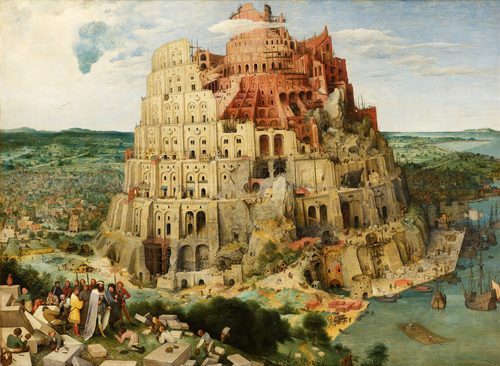
The Tower of Babel — Pieter Bruegel the Elder
The Tower of Babel, 1563date QS:P571,+1563-00-00T00:00:00Z/9 · Wikimedia Commons (Public domain)
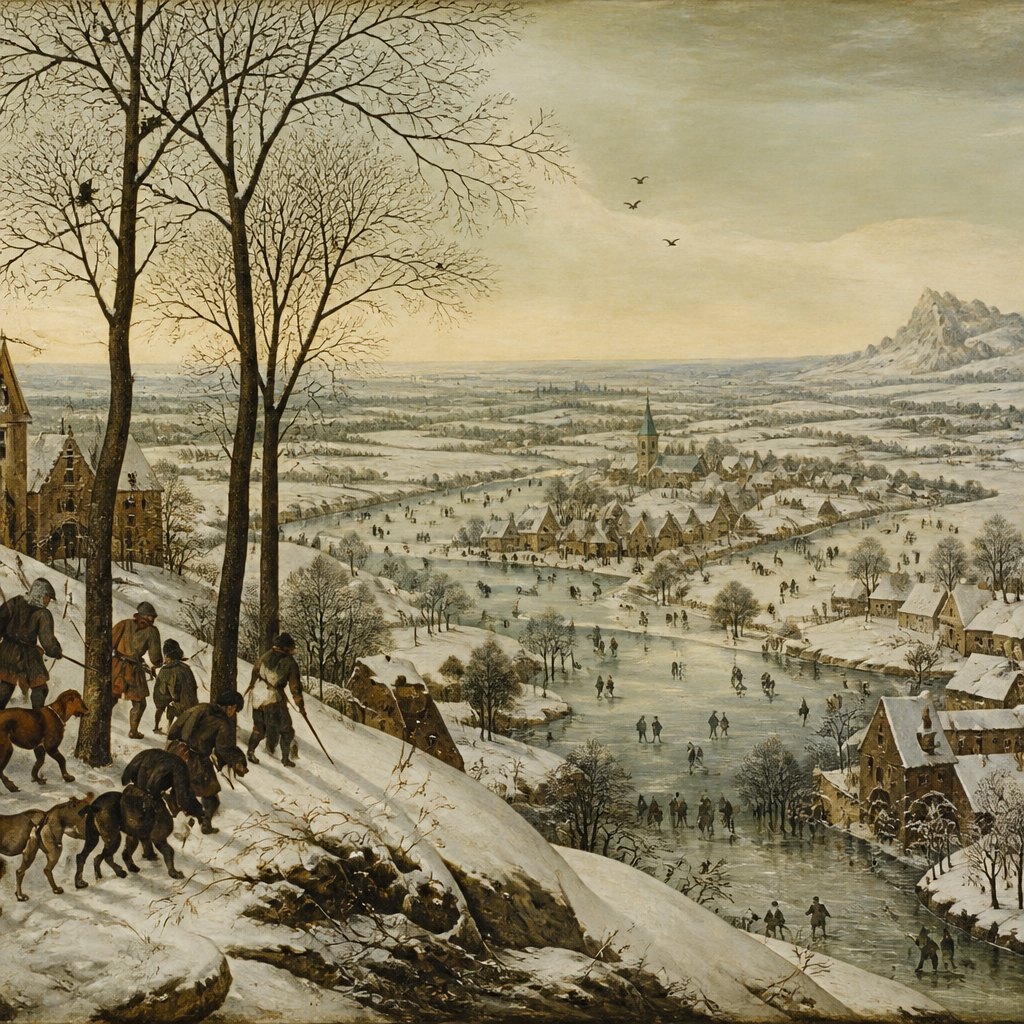
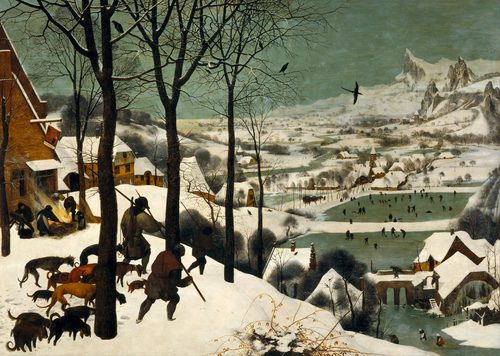
Polish:  Myśliwi na śniegu monthly cycle, scene: The Hunters in the Snow (winter)label QS:Len,"monthly cycle, scene: The Hunters in the Snow (winter)"label QS:Lde,"Zyklus der Jahreszeitenbilder, Szene: Heimkehr der Jäger (Winter)"label QS:Lfr,"Cycle des mois:Les chasseurs dans la neige (hiver)"label QS:Lpl,"Myśliwi na śniegu"label QS:Lnl,"De seizoenen van het jaar: De terugkeer van de jagers (winter)" — Pieter Bruegel the Elder
Polish: Myśliwi na śniegu monthly cycle, scene: The Hunters in the Snow (winter)label QS:Len,"monthly cycle, scene: The Hunters in the Snow (winter)"label QS:Lde,"Zyklus der Jahreszeitenbilder, Szene: Heimkehr der Jäger (Winter)"label QS:Lfr,"Cycle des mois:Les chasseurs dans la neige (hiver)"label QS:Lpl,"Myśliwi na śniegu"label QS:Lnl,"De seizoenen van het jaar: De terugkeer van de jagers (winter)", 1565date QS:P571,+1565-00-00T00:00:00Z/9 · Wikimedia Commons (Public domain)
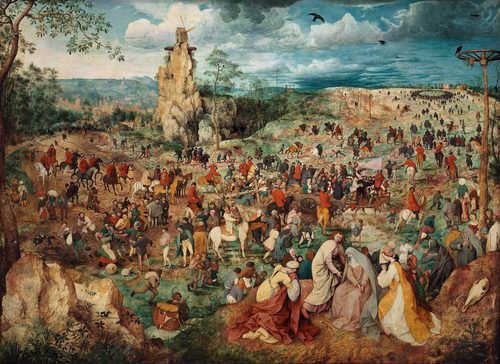
German:  Kreuztragung Christi The Procession to Calvarytitle QS:P1476,de:"Kreuztragung Christi "label QS:Lde,"Kreuztragung Christi "label QS:Les,"La Procesión al Calvario"label QS:Lfr,"Le Portement de Croix"label QS:Lhr,"Uspon na Kalvariju"label QS:Lru,"Путь на Голгофу"label QS:Lpt,"Caminho do Calvário"label QS:Lbe,"Шлях на Галгофу"label QS:Lfa,"کاروان در مسیر گلگتا"label QS:Lhy,"Ճանապարհորդություն դեպի Գողգոթա"label QS:Lmk,"Носење на крстот"label QS:Lsl,"Sprevod na Kalvarijo (Bruegel)"label QS:Lja,"ゴルゴタの丘への行進"label QS:Lvi,"Con đường thập tự"label QS:Let,"Kolgata teekond"label QS:Larz,"الموكب الى الجلجله"label QS:Lpl,"Droga krzyżowa"label QS:Lhe,"ההליכה לגולגולתא"label QS:Lnl,"The Procession to Calvary"label QS:Lsh,"Uspon na Kalvariju"label QS:Lsv,"Kristi korsbärande"label QS:Ltr,"Calvary Alayı"label QS:Len,"The Procession to Calvary"label QS:Lit,"Salita al Calvario" — Pieter Bruegel the Elder
German: Kreuztragung Christi The Procession to Calvarytitle QS:P1476,de:"Kreuztragung Christi "label QS:Lde,"Kreuztragung Christi "label QS:Les,"La Procesión al Calvario"label QS:Lfr,"Le Portement de Croix"label QS:Lhr,"Uspon na Kalvariju"label QS:Lru,"Путь на Голгофу"label QS:Lpt,"Caminho do Calvário"label QS:Lbe,"Шлях на Галгофу"label QS:Lfa,"کاروان در مسیر گلگتا"label QS:Lhy,"Ճանապարհորդություն դեպի Գողգոթա"label QS:Lmk,"Носење на крстот"label QS:Lsl,"Sprevod na Kalvarijo (Bruegel)"label QS:Lja,"ゴルゴタの丘への行進"label QS:Lvi,"Con đường thập tự"label QS:Let,"Kolgata teekond"label QS:Larz,"الموكب الى الجلجله"label QS:Lpl,"Droga krzyżowa"label QS:Lhe,"ההליכה לגולגולתא"label QS:Lnl,"The Procession to Calvary"label QS:Lsh,"Uspon na Kalvariju"label QS:Lsv,"Kristi korsbärande"label QS:Ltr,"Calvary Alayı"label QS:Len,"The Procession to Calvary"label QS:Lit,"Salita al Calvario", 1564 · Wikimedia Commons (Public domain)
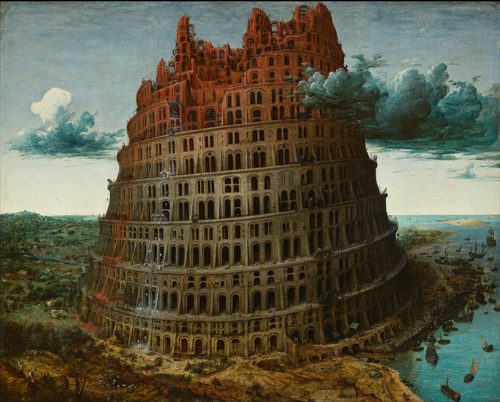
The building of the tower of Babel (Genesis 11:3-5) title QS:P1476,en:"The building of the tower of Babel (Genesis 11:3-5) "label QS:Len,"The building of the tower of Babel (Genesis 11:3-5) "label QS:Lit,"Torre di Babele"label QS:Lja,"バベルの塔 (ブリューゲル、1568年)"label QS:Lfr,"La Tour de Babel"label QS:Lhe,"מגדל בבל הקטן"label QS:Lnn,"Babels tårn"label QS:Lnb,"Babels tårn"label QS:Lnl,"De Toren van Babel"label QS:Llv,""Mazais" Bābeles tornis"label QS:Lcy,"Tŵr Babel"label QS:Len-gb,"The Tower of Babel"label QS:Lhy,"Բաբելոնյան աշտարակ"label QS:Lde,"Kleiner Turmbau zu Babel" — Pieter Bruegel the Elder
The building of the tower of Babel (Genesis 11:3-5) title QS:P1476,en:"The building of the tower of Babel (Genesis 11:3-5) "label QS:Len,"The building of the tower of Babel (Genesis 11:3-5) "label QS:Lit,"Torre di Babele"label QS:Lja,"バベルの塔 (ブリューゲル、1568年)"label QS:Lfr,"La Tour de Babel"label QS:Lhe,"מגדל בבל הקטן"label QS:Lnn,"Babels tårn"label QS:Lnb,"Babels tårn"label QS:Lnl,"De Toren van Babel"label QS:Llv,""Mazais" Bābeles tornis"label QS:Lcy,"Tŵr Babel"label QS:Len-gb,"The Tower of Babel"label QS:Lhy,"Բաբելոնյան աշտարակ"label QS:Lde,"Kleiner Turmbau zu Babel", 1568 · Wikimedia Commons (Public domain)

Pieter Bruegel the Elder (c. 1525–1569) was a Netherlandish painter who elevated peasant life and panoramic landscape into subjects worthy of the grandest painting of his day, work that still shapes how we picture sixteenth-century rural Europe. His early training and exact birthplace remain uncertain, but he trained in Antwerp, likely in the workshop of Pieter Coecke van Aelst, whose daughter he later married.

In the early 1550s Bruegel traveled to Italy, crossing the Alps on the way — an experience that left a permanent mark on his landscape compositions. Back in Antwerp, he made his name designing prints for the publisher Hieronymus Cock before turning increasingly to painting, producing crowded, encyclopedic works such as Netherlandish Proverbs and Children's Games.

His late period, spent in Brussels after 1563, produced his most celebrated paintings: a cycle depicting the months of the year, including Hunters in the Snow, alongside large peasant scenes like The Peasant Wedding. He died in Brussels in 1569, leaving two young sons who would both become painters.

How to recognize a Elder

01

Bird's-eye panoramic composition

Scenes unfold from a raised, almost aerial vantage point, letting dozens of small figures and a sweeping landscape share the same canvas. The high viewpoint turns everyday activity into something closer to a map of a whole world.

02

Crowded, encyclopedic detail

Paintings pack in dozens of small figures and incidents, each doing something specific and observable, rewarding long looking. The effect is less a single scene than an inventory of a village's entire range of behavior.

03

Muted earth-toned winter light

Bruegel favored cold, pale skies over browns, ochres, and dull greens, especially in his winter scenes, where snow flattens the landscape into bands of near-monochrome broken only by dark trees and figures.

04

Peasant subjects treated seriously

Farmers, dancers, and drinkers are painted with the same compositional weight normally reserved for saints or nobility, without caricature or moralizing captions, granting rural life a dignity unusual for his era.

05

Diagonal, receding compositions

Roads, fences, and hillsides cut deep diagonals across the canvas, pulling the eye from a foreground incident back through the middle distance to a village or horizon far in the background.

06

Tiny, specific human gestures

Even background figures are caught mid-action — stooping, skating, gossiping, hauling firewood — never generic filler. Bruegel's small scale never sacrifices individual, closely observed behavior for the sake of decorative effect or easy legibility.

The life

Bruegel's early years are poorly documented; he was likely born around 1525 somewhere in the Duchy of Brabant, and probably trained in Antwerp under Pieter Coecke van Aelst, a leading painter whose daughter Mayken he later married. He became a master in the Antwerp painters' guild in 1551.

Around 1552 he traveled to Italy, journeying as far south as Sicily and crossing the Alps on his return, an experience that gave his later landscapes their sweeping, elevated viewpoints. Back in Antwerp, he built his early career designing prints for the influential publisher Hieronymus Cock, working in a satirical, moralizing vein indebted to Hieronymus Bosch before developing his own distinct voice.

By the late 1550s he was painting ambitious, crowded panoramas like Netherlandish Proverbs and Children's Games. In 1563 he married and moved to Brussels, entering his most celebrated period: a series depicting the months of the year, including Hunters in the Snow, alongside large-scale peasant scenes such as The Peasant Wedding and The Peasant Dance.

Bruegel died in Brussels in 1569, still in his early middle age. His sons Pieter the Younger and Jan the Elder, both painters, kept his compositions and reputation alive for the following generation.

Timeline

  1. 1525
    Born, likely in the Duchy of Brabant
  2. 1551
    Becomes a master in the Antwerp painters' guild
  3. 1552
    Travels to Italy, crossing the Alps en route
  4. 1555
    Begins designing prints for publisher Hieronymus Cock
  5. 1559
    Paints Netherlandish Proverbs
  6. 1563
    Marries Mayken Coecke and moves to Brussels
  7. 1565
    Paints Hunters in the Snow
  8. 1567
    Paints The Peasant Wedding
  9. 1569
    Dies in Brussels

Most famous works

WorkDateWhy it matters
Netherlandish Proverbs1559A crowded village scene illustrating dozens of Flemish proverbs and idioms at once.
Children's Games1560An encyclopedic panorama of children at play, cataloguing dozens of period pastimes.
The Tower of Babel1563A monumental ruin-like structure that reimagines the biblical tower at colossal scale.
Hunters in the Snow1565His most reproduced painting, a bird's-eye winter panorama from a seasonal cycle.
The Peasant Weddingc. 1567A crowded indoor feast scene treating rural celebration with unusual compositional weight.
The Peasant Dancec. 1567A boisterous outdoor village dance rendered without caricature or moralizing.
AI-generated interpretationAI-generated

Create in the same spirit

Make Northern Renaissance art of your own

This AI interpretation echoes the aesthetic world Pieter Bruegel the Elder worked in — it depicts no real artwork. Generate your own with the Renaissance Portrait Art Style generator.

Open the Renaissance Portrait Art Style generator →

Legacy

Bruegel established landscape and peasant life as subjects serious enough to anchor major painting, opening a path that Dutch and Flemish artists walked for the next century, from genre painters like Adriaen Brouwer to the broad landscape tradition that runs through Rubens and beyond. His son Pieter Brueghel the Younger built a workshop largely on copying his father's compositions, while his younger son Jan Brueghel the Elder became a celebrated painter in his own right. Today Hunters in the Snow remains one of the most reproduced winter images ever painted, and his crowded, high-vantage compositions still echo in how illustrators and filmmakers stage sprawling group scenes.

Frequently asked questions

What is Pieter Bruegel the Elder famous for?

Bruegel is famous for elevating everyday peasant life and panoramic landscape into major painting subjects, especially in works like Hunters in the Snow and The Peasant Wedding. He treated ordinary rural activity with a scale and seriousness usually reserved for religious scenes.

Where can you see Bruegel's paintings today?

The Kunsthistorisches Museum in Vienna holds the largest collection of his paintings, including Hunters in the Snow and The Peasant Wedding. Other major works are scattered across the Louvre, the Prado, and Brussels' Royal Museums of Fine Arts.

What artistic movement did Bruegel belong to?

Bruegel worked within the Northern Renaissance, the detail-oriented painting tradition of Germany and the Low Countries. His crowded, panoramic compositions and interest in ordinary rural life also mark him as a founder of later Flemish and Dutch genre painting.

How many of Bruegel's paintings survive?

Roughly forty paintings are securely attributed to Bruegel today, a small body of work for such lasting influence. Many more of his compositions survive only as prints or as copies made later by his son, Pieter Brueghel the Younger.