 Famous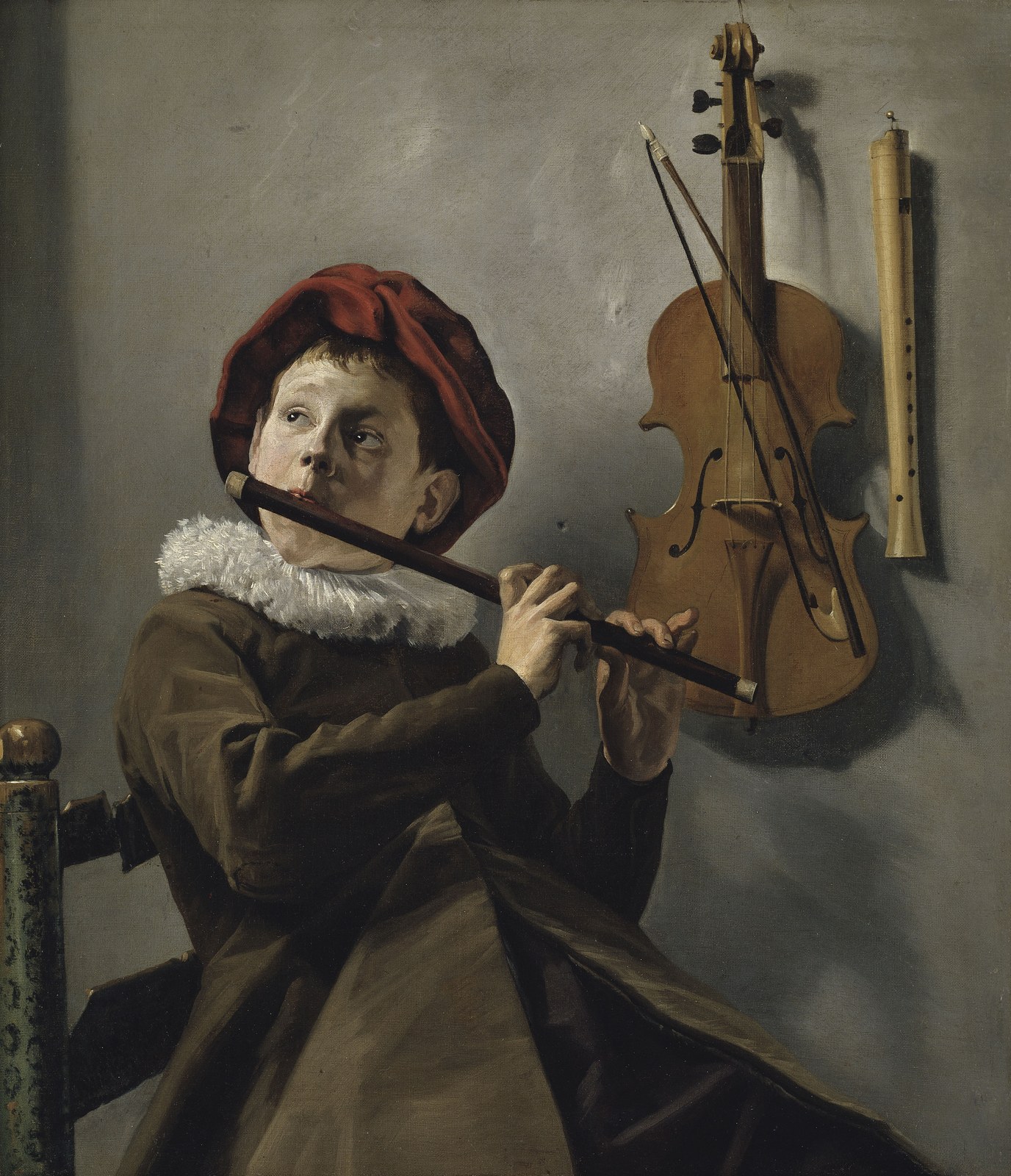
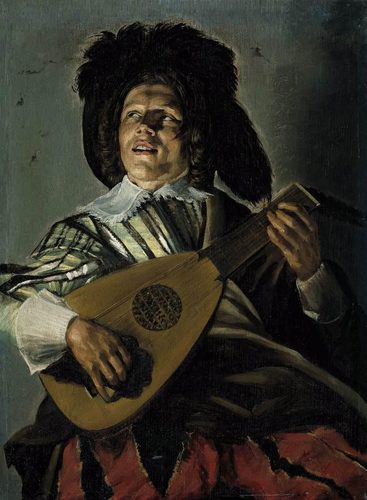
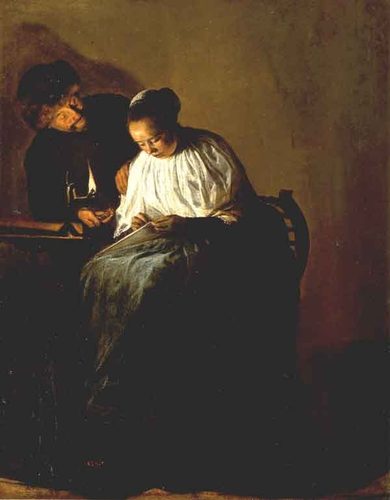
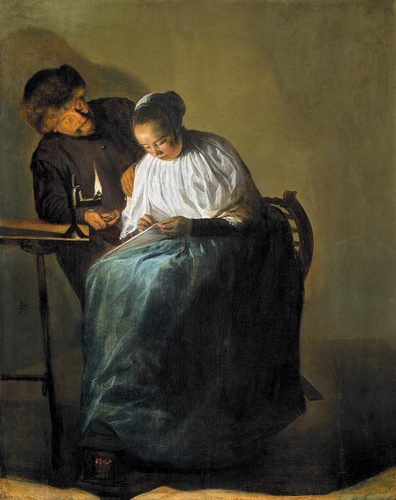
Judith Leyster (1609–1660) was a Dutch Golden Age painter celebrated for candlelit genre scenes and confident portraits, and for a nineteenth-century rediscovery that corrected two centuries of misattribution. Working in Haarlem, she became in 1633 one of the first women admitted to that city's Guild of Saint Luke, allowing her to run her own workshop and take on pupils.
Her paintings of musicians, card players, and children by candlelight share the loose, lively brushwork associated with her contemporary Frans Hals, and for generations several of her best works were sold and exhibited under his name. Only in 1893, when a scholar traced her distinctive monogram — a star punning on her surname, which evokes "leading star" — did her identity as a separate, accomplished master resurface.
She married the painter Jan Miense Molenaer in 1636, and the couple's combined household seems to have reduced her independent output; few securely dated works survive from after her marriage. She died in 1660 near Heemstede. Her rediscovery has made her a touchstone case for how women's contributions were erased from art history.
How to recognize a Leyster
Candlelit genre scenes
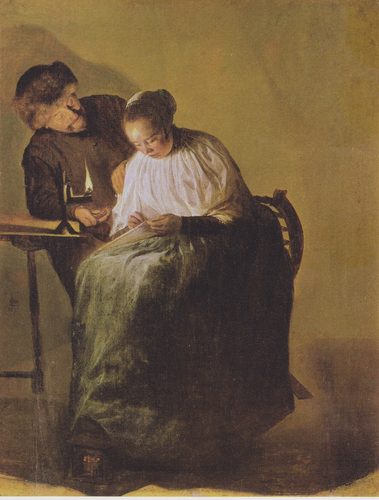
Leyster favored single-source lighting from a candle or lamp within the composition, warming faces in golden tones while the surrounding room falls into shadow. The device creates intimacy and concentrates attention on a small, illuminated gesture.
Loose, Hals-like brushwork
She built faces and fabric from quick, visible strokes rather than smooth blending, a technique close enough to Frans Hals's that several of her paintings were long sold under his name before her signature monogram was identified.
Playful, everyday subjects
Musicians, card players, and laughing children populate her scenes, caught in ordinary moments of leisure and mischief rather than posed formality. The tone is warm and observational, closer to a shared joke than a moral lesson.
Star monogram signature
She signed many works with a distinctive interlocked 'JL' monogram incorporating a small star, a pun on her surname's resemblance to the Dutch word for lodestar, marking her authorship distinctly from her contemporaries.
Confident self-assured portraiture
Her self-portrait shows her mid-brushstroke, turned casually toward the viewer with an easy, direct gaze rather than a formal pose, asserting her professional identity as a working painter rather than a decorative amateur.
Compact, half-length compositions
Most figures are cropped tightly at half-length against plain or dim backgrounds, keeping focus on expression and gesture rather than setting. The economy of composition matches the economy of her brushwork.
The life
Judith Leyster was born in Haarlem in 1609, the daughter of a brewer and cloth worker. Little is documented about her early training, though she was already recognized locally as a painter by her late teens. In 1633 she became one of the first women admitted to Haarlem's Guild of Saint Luke, a rare achievement that let her legally run an independent workshop and accept pupils.
Through the early 1630s she produced her most celebrated works: genre scenes of musicians, drinkers, and children, often lit by a single candle, and a lively self-portrait now in the National Gallery of Art. In 1636 she married fellow painter Jan Miense Molenaer, and the couple settled first in Amsterdam and later near Heemstede. Her documented output declines sharply after marriage, possibly due to shared studio arrangements, household demands, or works produced jointly and left unsigned.
She died in 1660. For over two centuries afterward, many of her paintings circulated under Frans Hals's name, until an 1893 dispute over a purchased Hals painting led to the discovery of her monogram beneath a false signature, restoring her identity as an independent master.
Timeline
- 1609Born in Haarlem
- 1629Paints her earliest known dated work
- 1633Admitted to Haarlem's Guild of Saint Luke
- 1635Paints Boy and Girl with a Cat and an Eel
- 1636Marries painter Jan Miense Molenaer
- 1637Moves with Molenaer to Amsterdam
- 1660Dies near Heemstede
Most famous works
| Work | Date | Why it matters |
|---|---|---|
| Self-Portrait | c. 1630 | Shows her mid-brushstroke at the easel, turned confidently toward the viewer, key evidence in her 1893 rediscovery. |
| The Proposition | 1631 | A woman sewing by lamplight ignores a man's coin and unwanted advance, an unusually pointed scene for its era. |
| Boy and Girl with a Cat and an Eel | 1635 | A playful genre scene of children teasing a cat, rendered with lively, sketch-like brushwork. |
| Two Children with a Cat | 1629 | One of her earliest known dated works, already showing her confident handling of everyday domestic subjects. |
| The Concert | c. 1633 | A warm group scene of musicians mid-performance, long attributed elsewhere before being reassigned to her hand. |
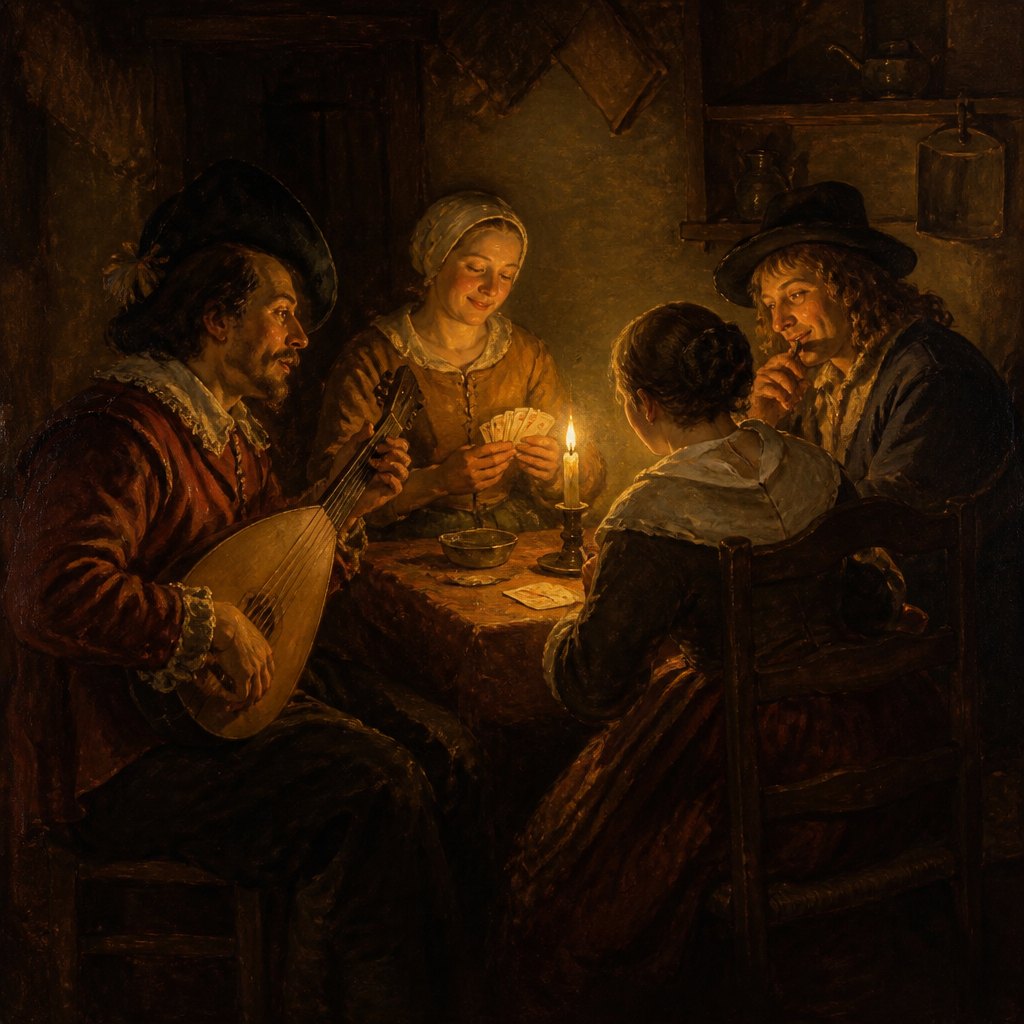 AI-generated
Create in the same spirit
Make Dutch Golden Age art of your own
This AI interpretation echoes the aesthetic world Judith Leyster worked in — it depicts no real artwork. Generate your own with the Dutch Golden Age Still Life Art Style generator.
Open the Dutch Golden Age Still Life Art Style generator →Legacy
Leyster's rediscovery in 1893 became a landmark case in reconstructing women's contributions to art history, prompting scholars to re-examine other paintings long filed under famous men's names. Her candlelit genre scenes, once indistinguishable in market terms from Frans Hals's, are now valued for their own distinct warmth and wit. She is taught today as a rare example of a woman achieving full guild membership and running an independent workshop in the seventeenth-century Netherlands, and her story continues to shape how museums research and correct historical attribution.
Frequently asked questions
What is Judith Leyster famous for?
Leyster is famous for lively candlelit genre scenes of musicians and card players, for becoming one of the first women admitted to Haarlem's painters' guild, and for a landmark 1893 rediscovery after her work was long misattributed to Frans Hals.
Where can you see Judith Leyster's paintings?
Her works are held at the National Gallery of Art in Washington, the Rijksmuseum and Frans Hals Museum, the Louvre, and the Worcester Art Museum, among other collections.
How many paintings did Judith Leyster make?
Around thirty-five paintings are securely attributed to her today, a relatively small surviving output, in part because many of her works spent centuries misattributed to other painters.
What artistic movement was Judith Leyster part of?
Leyster worked within the Dutch Golden Age, painting genre scenes for the prosperous Dutch merchant class in a lively, loosely brushed style close to that of her Haarlem contemporary Frans Hals.