 Famous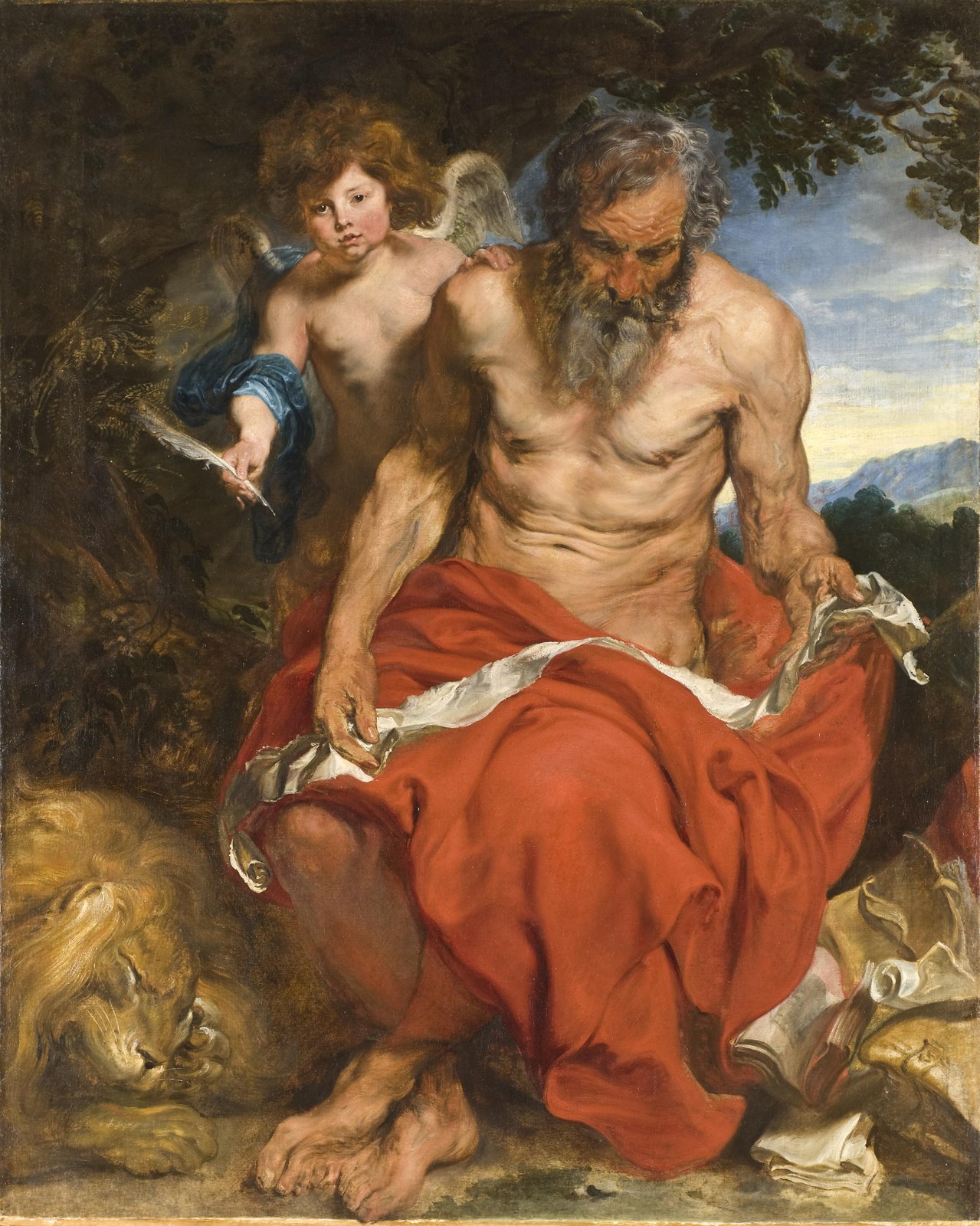
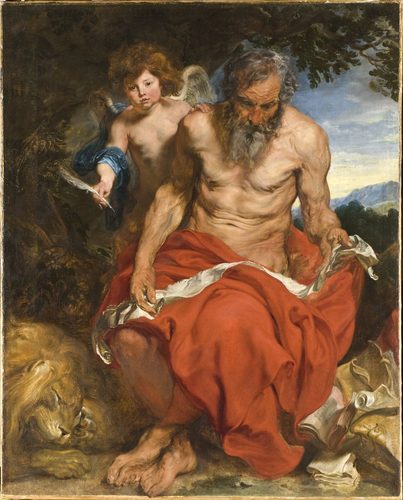
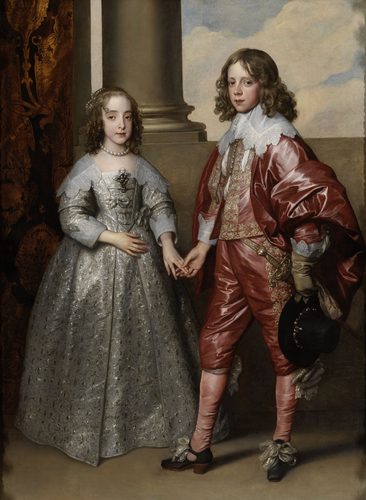
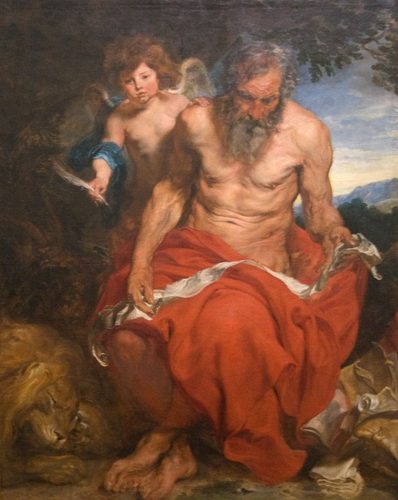
Anthony van Dyck (1599–1641) was a Flemish portraitist who redefined how power and privilege could look on canvas, and who became the most influential court painter in English history. Born in Antwerp, he was a prodigy who worked as chief assistant in Peter Paul Rubens's studio while still a teenager before striking out on his own. A formative stay in Italy, especially Genoa, taught him to paint aristocrats as impossibly tall, languid, and at ease, wrapped in silk and framed by columns and drapery. Summoned to London in 1632 by King Charles I, he became principal court painter, was knighted, and set the visual language of English royalty for a generation — relaxed poses, elongated limbs, and a cool, silvery light. His portraits of Charles I, his family, and his courtiers shaped how the English aristocracy wished to be remembered, and later painters from Gainsborough to Reynolds studied him as the founder of the English portrait tradition. He died in London in 1641.
How to recognize a Dyck
Elongated, aristocratic proportions
Van Dyck stretched his sitters' limbs, necks, and torsos noticeably beyond life, making them appear taller, slimmer, and more graceful than reality — a subtle, flattering distortion that later court portraitists copied for generations across Europe and England.
Cool, silvery light
Unlike the warm, golden glow favored by his teacher Rubens, van Dyck preferred a cooler, silvery palette of grays, blues, and pale flesh tones that lent his aristocratic sitters an air of composed, effortless detachment and refinement.
Relaxed, informal poses
He posed royalty and nobles leaning against columns, turning mid-stride, or gesturing casually rather than standing rigidly frontal, making even the most formal state portrait feel like a private, unguarded moment caught almost by chance.
Luxurious fabric rendering
Silk, satin, and lace are painted with rapid, confident, almost calligraphic strokes that suggest texture and sheen without labored detail, letting fabric shimmer and catch light rather than sitting flat and inert on the canvas.
Grand architectural backdrops
Columns, heavy curtains, and distant stormy skies frame his sitters, pushing them forward in space and giving even modest patrons the same visual scale, drama, and grandeur normally reserved for reigning monarchs and their families.
Expressive, individualized hands
Van Dyck paid unusual attention to hands — resting elegantly on hips, gripping a glove, or gesturing gently toward the viewer — using them as a second, quieter register of a sitter's rank and personal character.
The life
Van Dyck was born in Antwerp in 1599 to a prosperous merchant family and showed such early talent that he was working alongside Peter Paul Rubens, the city's dominant painter, by his late teens, registering as an independent master in the Antwerp painters' guild in 1618.
Between 1621 and 1627 he worked mainly in Italy, based largely in Genoa, where he painted the city's merchant aristocracy in dramatic, full-length portraits that made his sitters look taller, cooler, and more assured than life. This Genoese style — columns, curtains, silk, and distance — became the template he carried north.
In 1632 King Charles I brought him to London as principal court painter, knighted him, and granted him a house and pension. Over the following decade van Dyck produced the defining images of the English court: relaxed, intimate, yet unmistakably regal portraits of the king, his queen, and his circle, working at extraordinary speed with a busy studio of assistants.
He married Mary Ruthven, a lady of the English court, in 1639. He died in London in December 1641, shortly after the birth of his daughter, having permanently changed the visual grammar of English portraiture.
Timeline
- 1599Born in Antwerp
- 1618Registered as a master in the Antwerp Guild of St. Luke
- 1620Works briefly in England for King James I
- 1621Travels to Italy, settling mainly in Genoa
- 1627Returns to Antwerp, working as an independent master
- 1632Becomes principal court painter to King Charles I in London
- 1639Marries Mary Ruthven
- 1641Dies in London
Most famous works
| Work | Date | Why it matters |
|---|---|---|
| Charles I in the Hunting Field | c. 1636 | A famously casual portrait of the king dismounted beside his horse, radiating authority through poise rather than ceremony or crown. |
| Charles I in Three Positions | 1635–36 | A three-angle study of the king's head, painted as a working model for a marble bust by the sculptor Bernini in Rome. |
| Marchesa Elena Grimaldi | 1623 | A towering Genoese portrait that made an aristocratic sitter appear to loom above the viewer, framed by a red parasol and column. |
| Self-Portrait with a Sunflower | c. 1633 | A rare self-portrait pointing toward a sunflower, widely read as a symbol of loyalty to his royal patron. |
| Cupid and Psyche | 1639–40 | One of his rare mythological subjects, painted for Charles I's collection, showing a tender side apart from his portrait work. |
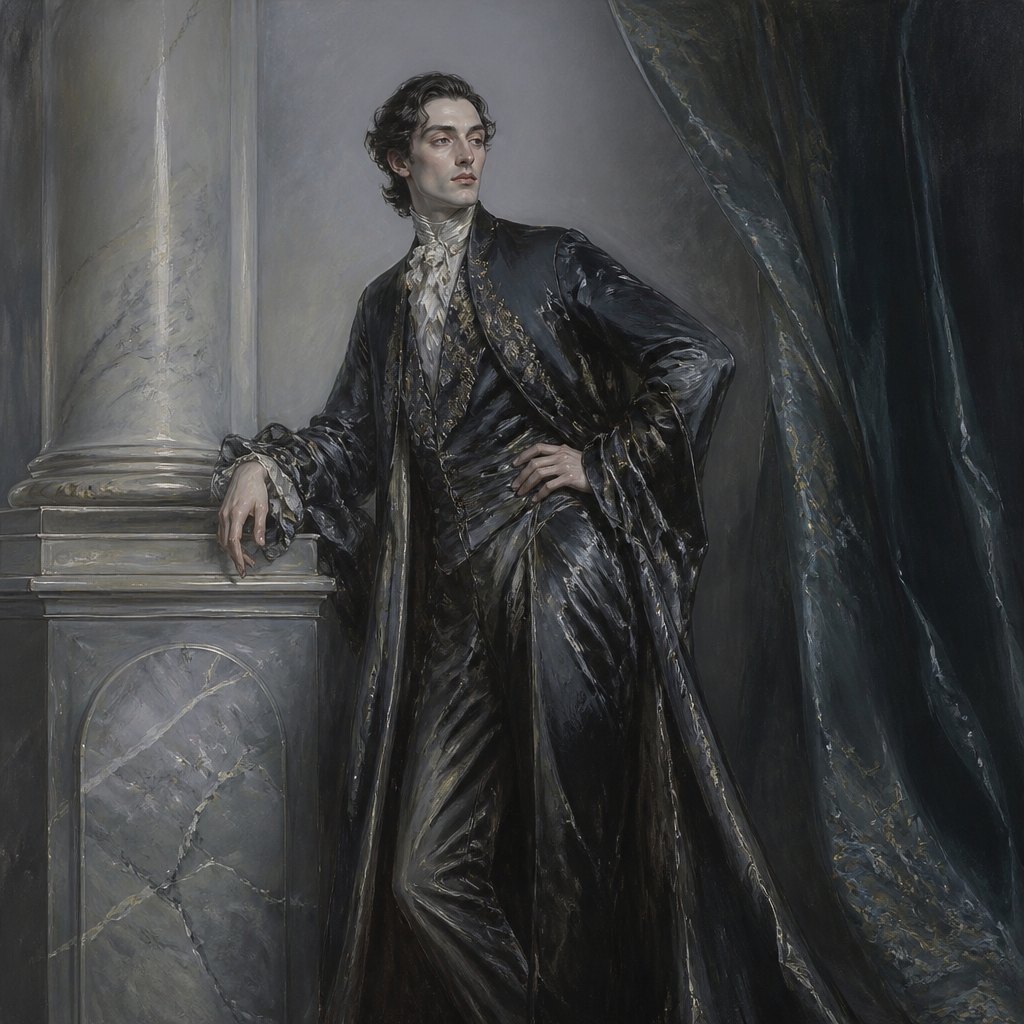 AI-generated
Create in the same spirit
Make Baroque art of your own
This AI interpretation echoes the aesthetic world Anthony van Dyck worked in — it depicts no real artwork. Generate your own with the Baroque Art Style generator.
Open the Baroque Art Style generator →Legacy
Van Dyck's Genoese and English portraits set the template for aristocratic image-making for two centuries. Thomas Gainsborough, Joshua Reynolds, and Thomas Lawrence all studied his elongated poses, silvery palette, and air of relaxed authority, and English portraiture never fully left his shadow. The pointed beard he favored still carries his name, and 'Van Dyck brown,' a pigment associated with his paintings, remains in use today. Beyond England, his fluent, rapid brushwork fed directly into eighteenth-century French and British grand-manner portraiture. Museums across Europe and America hold his work, and any painted portrait that flatters through pose rather than idealized features still works in territory he mapped first.
Frequently asked questions
What is Anthony van Dyck famous for?
Van Dyck is famous for reinventing court portraiture, painting European aristocrats — especially King Charles I of England — in relaxed, elegant poses that made power look effortless rather than stiff.
Where can I see van Dyck's paintings today?
London's National Gallery and Royal Collection hold major works, alongside Antwerp's Rubens House and Royal Museum, Genoa's palazzi, and the Metropolitan Museum and Frick Collection in New York.
What art movement was van Dyck part of?
Van Dyck worked within the Flemish Baroque, trained in Rubens's workshop, though his portrait style grew distinct enough to found its own English tradition of court painting.
Did van Dyck train with Rubens?
Yes. Van Dyck worked as Rubens's leading assistant in Antwerp while still a teenager, absorbing his master's fluent brushwork before developing his own cooler, more elongated portrait style.