 Famous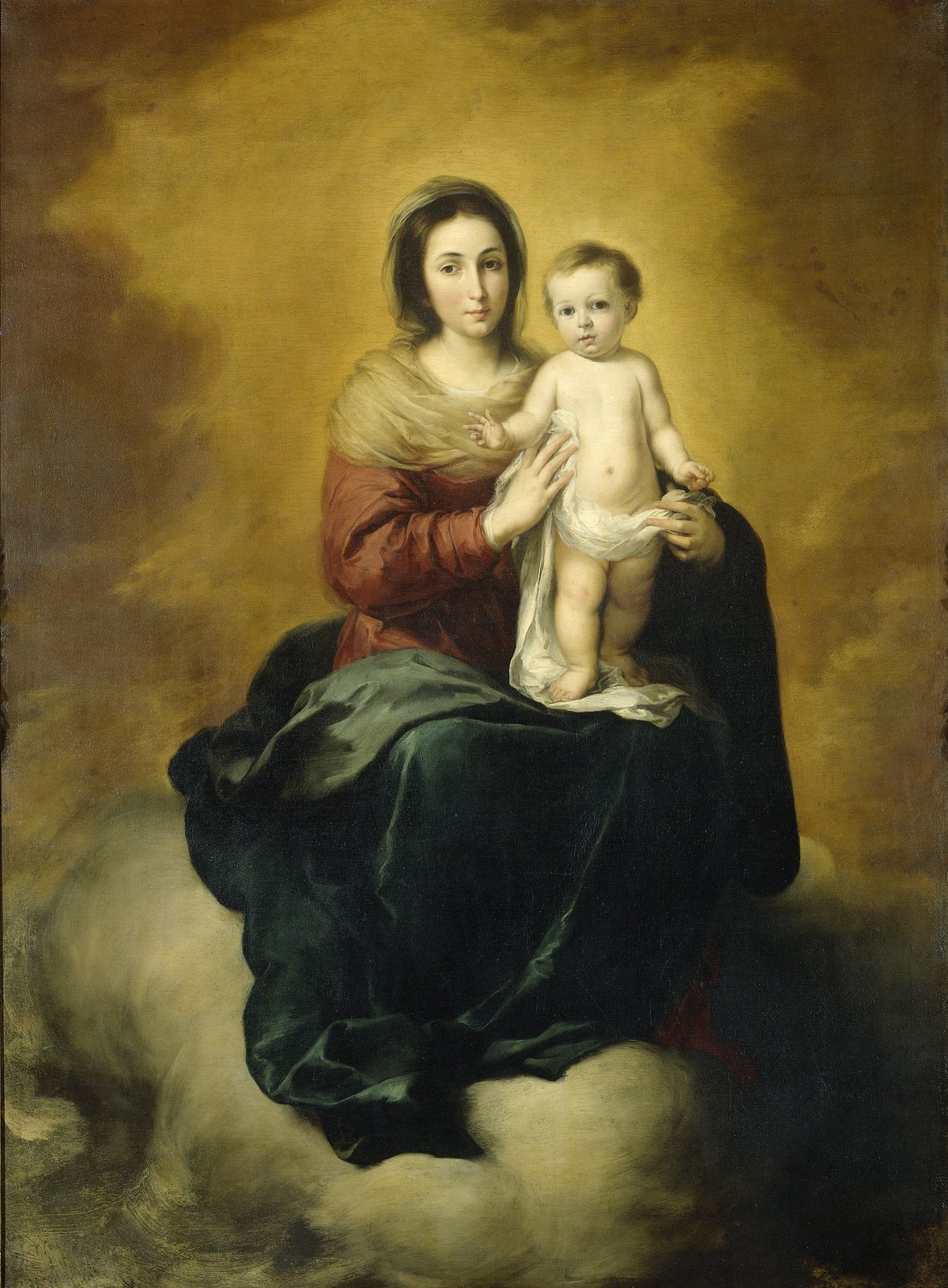
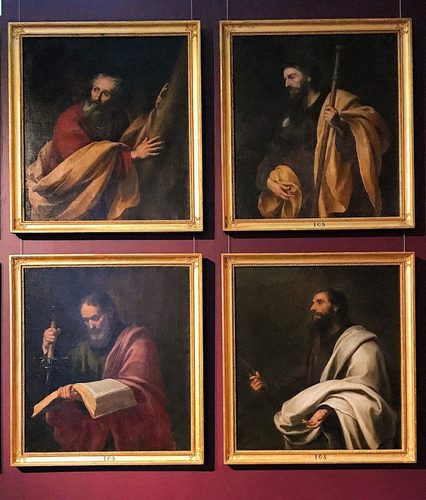
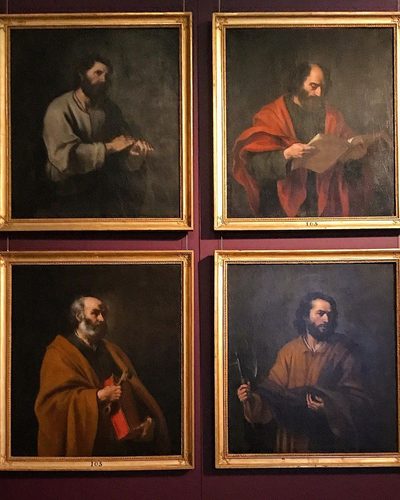
Bartolomé Esteban Murillo (1617–1682) was a Seville-born painter whose warm, soft-focus religious scenes and sympathetic portraits of street children made him one of the most beloved Spanish painters of the Baroque era. Orphaned young, he trained under the Seville painter Juan del Castillo before developing a style built on gentle, diffused light rather than the harsh contrasts favored by earlier Spanish masters. He became the city's leading painter of devotional images, producing numerous versions of the Immaculate Conception whose soft blues, whites, and golds became instantly recognizable and endlessly copied. Alongside this religious work he painted Seville's beggar children and street vendors with unusual warmth and dignity, treating poverty as a subject worth tender attention rather than moralizing. In 1660 he co-founded and became first president of the Seville Academy of Fine Arts, formalizing the city's art training. His late style, sometimes called vaporous for its hazy, atmospheric softness, influenced European religious painting for generations. He died in 1682 from complications after falling from scaffolding while painting an altarpiece in Cádiz.
How to recognize a Murillo
Soft, diffused sfumato light
Murillo blurred edges and softened contrasts far more than his Sevillian predecessors, wrapping figures in a gentle atmospheric haze rather than harsh spotlighting, a warm, glowing effect later critics nicknamed his 'vaporous' style of painting.
Blue-and-white Immaculate Conceptions
His recurring image of the Virgin, robed in pale blue and white, standing on a crescent moon amid billowing clouds and cherubs, became the standard visual formula for the subject across Catholic Europe for centuries afterward.
Warm, golden flesh tones
Skin in his paintings glows with warm, honeyed light rather than the pale severity common in earlier Spanish devotional art, softening even his most solemn religious subjects into something approachable, tender, and quietly human rather than austere.
Sympathetic street-child scenes
He painted Seville's beggar children eating fruit, playing dice, or hunting for lice with genuine warmth, humor, and individuality, avoiding both moralizing pity and the sentimental, idealized cuteness later genre painters often reached for instead.
Gentle, upward-gazing figures
Saints and the Virgin often tilt their faces gently upward toward an unseen source of light, eyes soft and lips slightly parted, conveying quiet tenderness and devotion rather than the dramatic, theatrical ecstasy favored elsewhere in Baroque art.
Loose, blended brushwork
Late in his career Murillo thinned his paint and blended his brushstrokes almost invisibly into one another, producing smooth, glowing surfaces with none of the visible, energetic brush marks that other Baroque painters often favored instead.
The life
Murillo was born in Seville in 1617 or 1618 and orphaned by around age ten, raised afterward by relatives. He trained under the painter Juan del Castillo, absorbing the naturalist tradition of Seville painting before developing his own softer, warmer approach to light and form.
By the 1640s he was established in Seville, and a major commission for the city's Franciscan convent in 1645–46 secured his local reputation. He married Beatriz Cabrera y Villalobos in 1645, and the couple had several children, though, as was common at the time, not all survived to adulthood.
Murillo spent essentially his entire career in Seville, becoming its dominant painter for four decades. He produced devotional works for the city's churches, convents, and hospitals, including the Hospital de la Caridad, alongside private genre scenes of street children that found eager buyers among foreign collectors. In 1660 he helped found the Seville Academy of Fine Arts and served as its first president.
Late in life he traveled to Cádiz to paint an altarpiece for a Capuchin church there. He fell from the scaffolding while working and, weakened by the injury, died back in Seville in April 1682.
Timeline
- 1617Born in Seville
- 1628Orphaned, raised by relatives in Seville
- 1633Apprenticed to painter Juan del Castillo
- 1645Marries Beatriz Cabrera; major Franciscan convent commission
- 1655Establishes reputation with major Seville church commissions
- 1660Co-founds the Seville Academy of Fine Arts
- 1670Paints numerous versions of the Immaculate Conception
- 1682Falls from scaffolding in Cádiz; dies in Seville
Most famous works
| Work | Date | Why it matters |
|---|---|---|
| The Immaculate Conception of the Venerables | c. 1678 | One of many Immaculate Conceptions Murillo painted, its soft blue-and-white palette becoming the standard image of the subject for centuries. |
| The Young Beggar | c. 1645 | A sympathetic portrait of a Seville street child in ragged clothes, elevating an unglamorous subject to the scale of fine painting. |
| Two Women at a Window | c. 1655–60 | A lively genre scene of two women, one smiling behind a window ledge, showing his gift for warm, informal daily-life observation. |
| Boys Eating Grapes and Melon | c. 1650 | A genre scene of Seville street children sharing fruit, painted with humor and warmth rather than pity or moral lesson. |
| Return of the Prodigal Son | c. 1667–70 | Part of a major narrative cycle for Seville's Hospital de la Caridad, rendered with Murillo's characteristic tenderness toward human failing. |
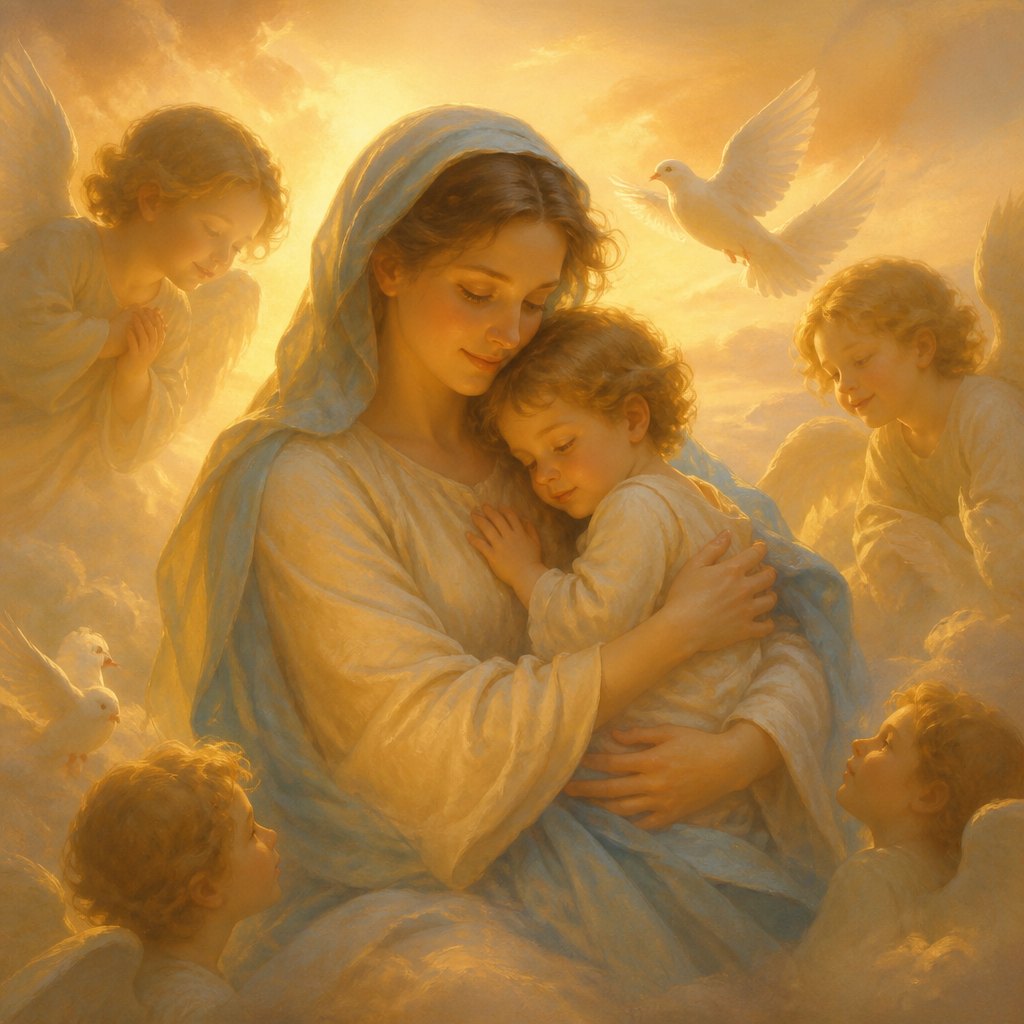 AI-generated
Create in the same spirit
Make Baroque art of your own
This AI interpretation echoes the aesthetic world Bartolomé Esteban Murillo worked in — it depicts no real artwork. Generate your own with the Baroque Art Style generator.
Open the Baroque Art Style generator →Legacy
Murillo's soft, luminous religious images defined how Catholic Europe pictured the Immaculate Conception for well over a century, endlessly reproduced in prints and copied by later painters. His genre scenes of street children opened a path that later realist and sentimental painters across Europe would follow, treating poverty and childhood with warmth rather than caricature. Nineteenth-century British and French collectors prized him so highly that his paintings commanded some of the highest prices of any old master on the art market. The Seville Academy he co-founded helped formalize Spanish art training for generations. His paintings remain central to the Prado, the Hospital de la Caridad, and Seville's churches, still shaping the city's visual identity.
Frequently asked questions
What is Murillo famous for?
Murillo is famous for his soft, glowing paintings of the Immaculate Conception and for warm, sympathetic portraits of Seville's street children, both hallmarks of his gentle late-Baroque style.
Where can I see Murillo's paintings today?
Madrid's Museo del Prado holds the largest collection, with further major works in Seville's churches and Museum of Fine Arts, London's National Gallery, and the Hermitage in St. Petersburg.
How did Murillo die?
Murillo died in 1682 from complications after falling from scaffolding while painting an altarpiece for a Capuchin church in Cádiz, succumbing to his injuries back home in Seville.
What art movement was Murillo part of?
Murillo worked within the Spanish Baroque, developing a softer, more luminous alternative to the stark realism practiced by earlier Sevillian painters like Zurbarán.