 Famous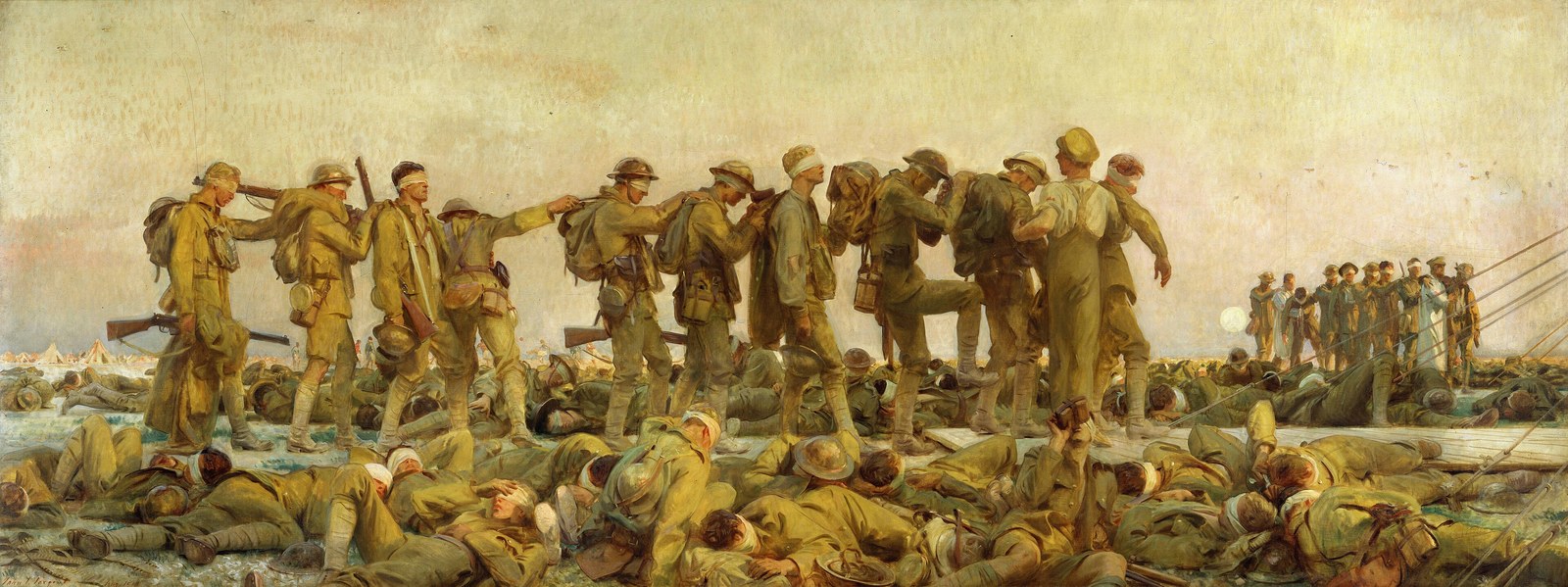
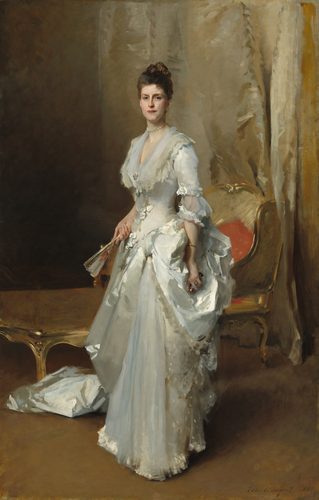
John Singer Sargent (1856–1925) was an American painter, born in Florence to expatriate parents, who became the era's most sought-after portraitist and a virtuoso of the brush few contemporaries could match. Trained in Paris under Carolus-Duran, he learned to build a likeness in a few confident, alla prima strokes rather than through careful layering. His 1884 portrait of Virginie Gautreau, exhibited as Madame X, showed the young Parisian beauty in a daringly cut black gown with one jeweled strap slipping from her shoulder; the scandal it caused pushed Sargent to relocate his practice to London. There he painted the aristocracy, industrialists, and artists of the Gilded Age, capturing satin, velvet, and skin with a fluency that made sitters look both grand and alive. Weary of formal portrait commissions by his fifties, he turned increasingly to loose, sunlit watercolors made on his travels through Venice, the Alps, and the Middle East, and to large-scale murals for Boston's public buildings. He died in London in 1925, still regarded as the finest portrait painter of his time.
How to recognize a Sargent
Bravura brushwork
Sargent built a likeness in a small number of loaded, confident strokes rather than careful layers, working alla prima so that individual marks stay visible as fabric, skin, or light rather than being smoothed away.
Virtuoso fabric rendering
Silk, satin, and lace are rendered with astonishing economy — a few slashes of white paint suggest an entire ruffled sleeve — giving his portraits a sense of material wealth and easy elegance.
Psychologically alert sitters
Beyond technical dazzle, his subjects often hold a wary or appraising expression rather than a placid, agreeable smile, giving formal society portraits an undercurrent of real personality rather than empty, flattering blankness.
Luminous travel watercolors
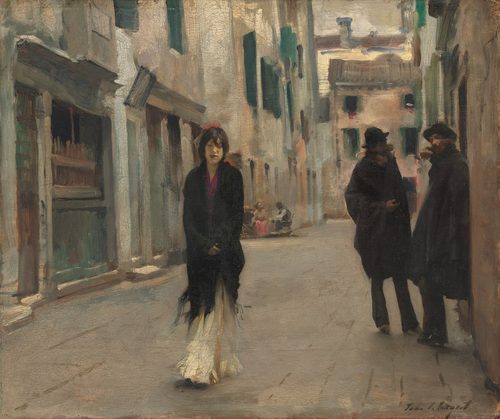
In looser, later work made in Venice, the Alps, and the Middle East, he used transparent washes and reserved white paper to chase fleeting effects of sunlight on stone, water, and drapery.
Dramatic informal poses
He often placed sitters off-center or caught mid-gesture, turning away from the stiff, camera-ready frontal pose expected of society portraiture toward looser compositions that feel caught in a fleeting, unguarded passing moment.
Restrained, elegant palette
Blacks, whites, and deep jewel tones recur across his portraits, a controlled palette that lets a single vivid accent — a red sash, a pink flower — carry the emotional temperature of a picture.
The life
Sargent was born in Florence in 1856 to American parents who lived a peripatetic expatriate life across Europe, giving their son an early, informal education in the continent's museums. He entered the Paris atelier of Carolus-Duran in 1874, absorbing a technique built on direct, confident brushwork rather than academic underdrawing, and made a strong Salon debut by his early twenties.
His career nearly derailed in 1884, when his portrait of the Parisian society figure Virginie Gautreau, exhibited as Madame X, was judged scandalously suggestive. Stung by the reaction, Sargent left Paris for London, where within a few years he had rebuilt his reputation as the portraitist of choice for British and American elites.
For roughly two decades he painted the era's aristocrats, financiers, and writers with unmatched technical bravura, while also producing loose, luminous watercolors on his travels through Venice, Spain, and the Alps. Around 1907 he largely abandoned formal portrait commissions, calling them a drain on his independence, and devoted his later years to mural cycles for the Boston Public Library and the Museum of Fine Arts, as well as to watercolors and, during the First World War, an official commission that produced the monumental painting Gassed. He died in London in 1925.
Timeline
- 1856Born in Florence, Italy, to American parents
- 1874Enters Carolus-Duran's Paris studio
- 1879Wins acclaim at the Salon for his portrait of Carolus-Duran
- 1884Madame X causes a scandal at the Salon
- 1886Relocates his practice to London
- 1907Largely retires from formal portrait commissions
- 1918Tours the Western Front, gathering material for Gassed
- 1925Dies in London
Most famous works
| Work | Date | Why it matters |
|---|---|---|
| Madame X | 1884 | A portrait of Parisian beauty Virginie Gautreau whose daring gown scandalized the Salon and reshaped Sargent's career. |
| El Jaleo | 1882 | A large, dramatic painting of a Spanish flamenco dancer, showing his early command of movement and theatrical light. |
| Carnation, Lily, Lily, Rose | 1885–86 | Two girls lighting lanterns in a twilit garden, painted outdoors over two summers to catch a precise fading light. |
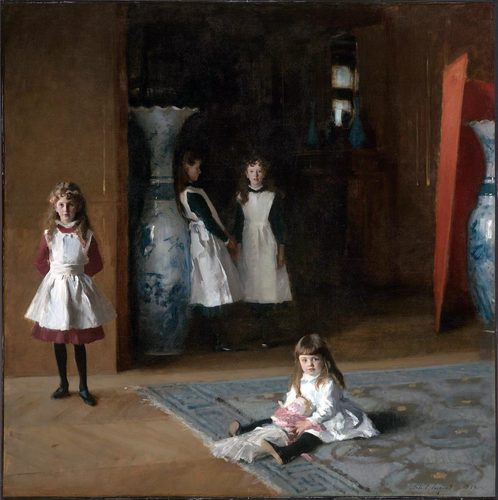
| The Daughters of Edward Darley Boit | 1882 | A haunting, asymmetrical group portrait of four sisters in a shadowed interior, admired for its psychological reserve. |
| Gassed | 1919 | A monumental war painting of blinded soldiers led in a line, made from his own observations near the front. |
 AI-generated
Create in the same spirit
Make Academic Art art of your own
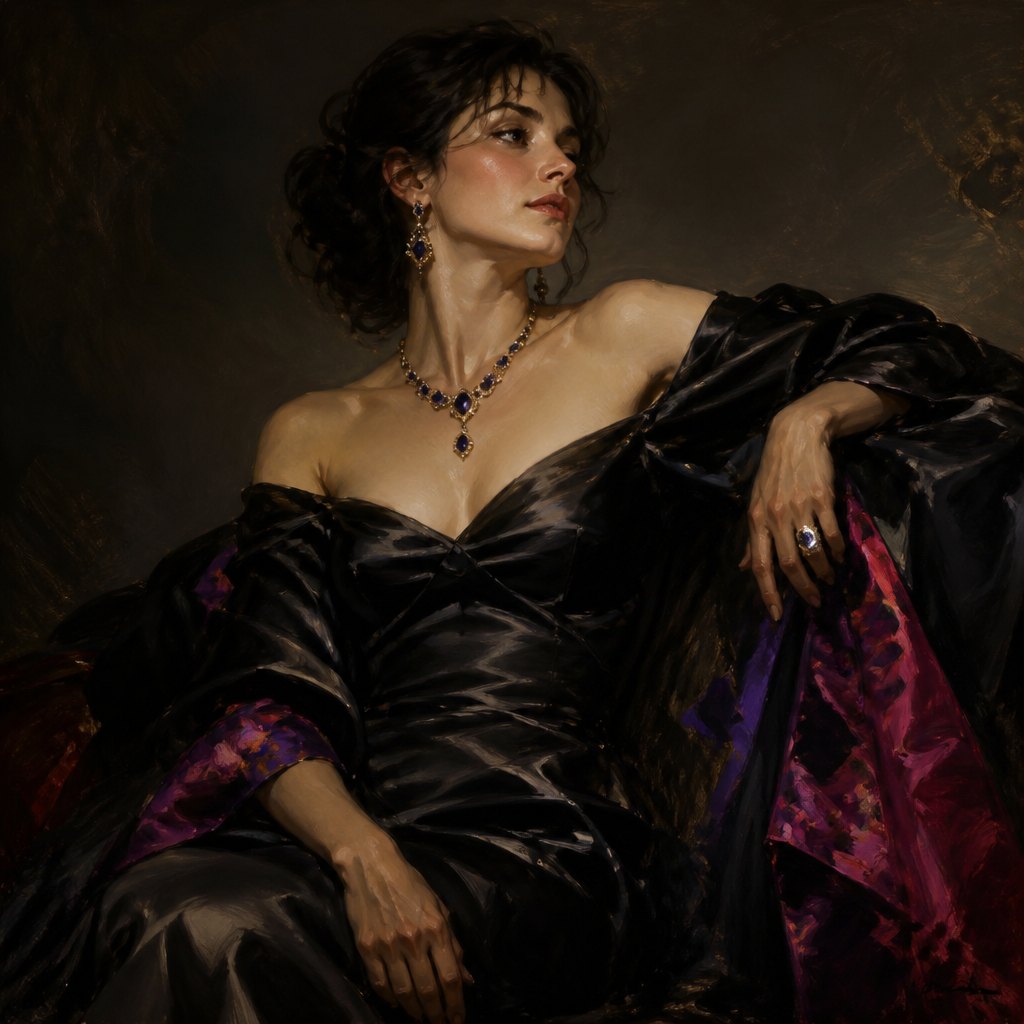
This AI interpretation echoes the aesthetic world John Singer Sargent worked in — it depicts no real artwork. Generate your own with the Academic Classical Art Style generator.
Open the Academic Classical Art Style generator →Legacy
Sargent is remembered as the last great practitioner of the grand-manner portrait, a genre he pushed to its technical limit just as photography and modernism were making it seem old-fashioned. His fluent, economical brushwork influenced generations of portrait and figure painters who followed, and his watercolors are still studied as models of controlled spontaneity. Institutions from the Museum of Fine Arts, Boston, to the Metropolitan Museum of Art hold major collections of his work, and his Boston murals remain in place today. Contemporary portrait painters continue to cite his direct, alla prima technique as a benchmark for capturing a likeness with speed and conviction.
Frequently asked questions
What is John Singer Sargent famous for?
Sargent is best known as the leading portrait painter of the Gilded Age, celebrated for virtuoso brushwork and for Madame X, an 1884 portrait whose daring gown caused a scandal at the Paris Salon.
Where can I see Sargent's paintings?
The Museum of Fine Arts, Boston, and New York's Metropolitan Museum of Art hold major collections, including Madame X. His murals remain installed in the Boston Public Library and the Boston MFA.
What art movement was Sargent part of?
He is usually classified with academic art and cosmopolitan realism rather than a single movement, though his loose brushwork and outdoor watercolors show clear ties to Impressionism, which he admired and occasionally practiced.
Why did Madame X cause a scandal?
The portrait's original version showed one strap of Virginie Gautreau's gown slipping off her shoulder, read as sexually suggestive by Paris Salon audiences in 1884. Sargent later repainted the strap in place.