 Famous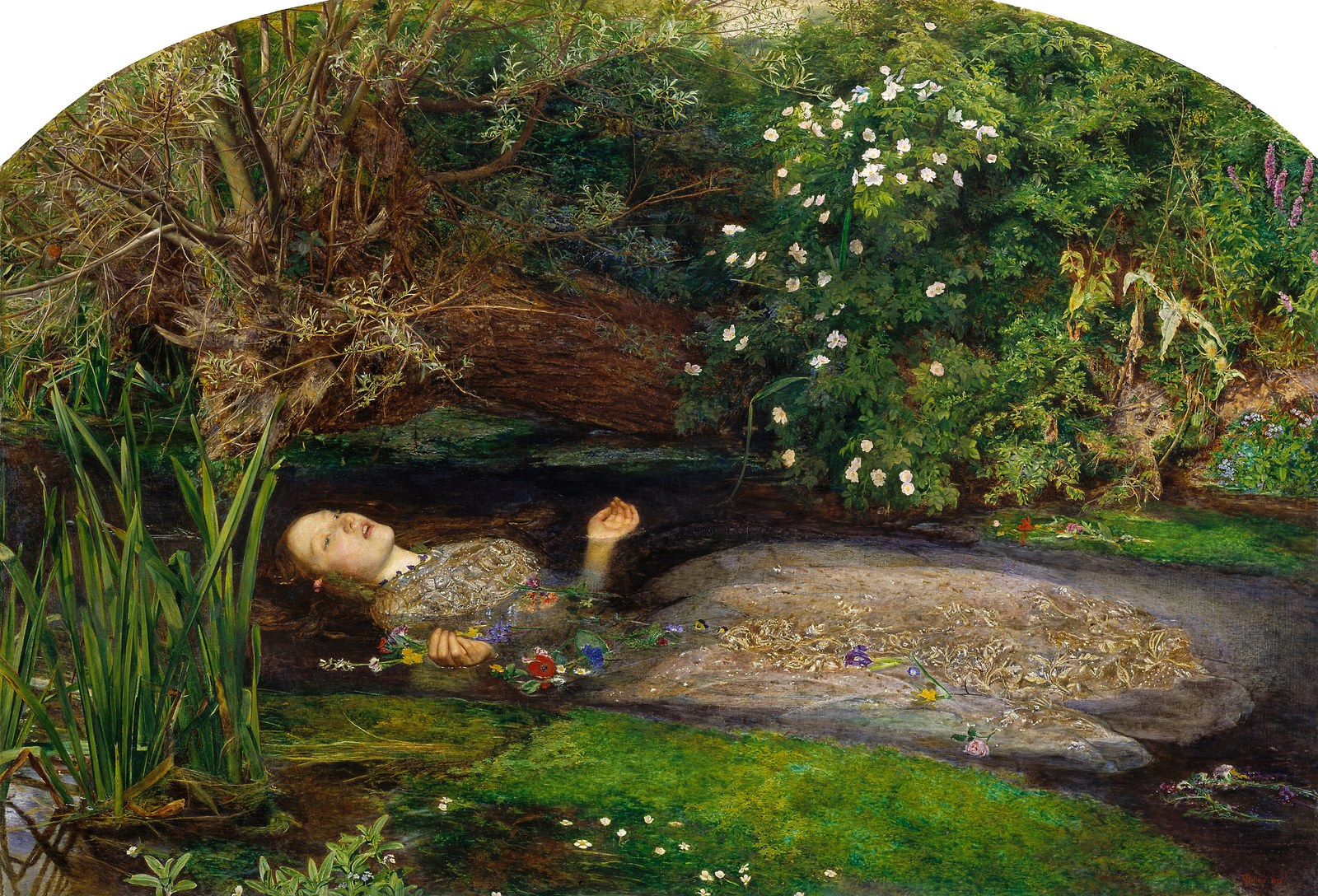
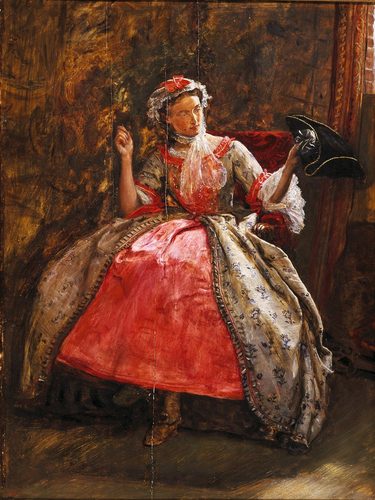
John Everett Millais (1829–1896) was a British painter and Pre-Raphaelite co-founder whose early work set a new standard for minute, almost scientific detail in landscape and figure painting, before he became the most commercially successful portrait and genre painter of Victorian England.
A child prodigy, Millais entered the Royal Academy Schools at eleven, the youngest student in its history. In 1848 he helped found the Pre-Raphaelite Brotherhood with Dante Gabriel Rossetti and William Holman Hunt, painting outdoors directly from nature with a jeweler's attention to individual leaves, petals, and water. His 1852 'Ophelia,' painted from a model floating in a bathtub through a freezing winter, remains the era's defining image of tragic beauty rendered in exhaustive botanical detail.
By the 1860s, Millais had largely abandoned Pre-Raphaelite intensity for a broader, more fluid style suited to portraiture and sentimental genre scenes, which made him wealthy and, in 1885, the first artist created a baronet, before his election as president of the Royal Academy in 1896 — a striking reversal for an artist who began as an academic rebel.
How to recognize a Millais
Botanical exactitude
Millais painted individual leaves, petals, and blades of grass with near-scientific precision, often working outdoors for months on a single background before adding the figure. The result feels less like a painted setting than a specimen collected under glass.
Jewel-bright, high-key color
Early works use saturated, evenly lit color across the whole canvas rather than dramatic shadow, giving flowers, fabric, and skin equal visual weight. Nothing recedes into gloom — every inch competes for the eye's attention.
Water and drowning imagery
Rivers, streams, and submerged or waterlogged subjects recur throughout his early career, most famously in 'Ophelia.' Water let him combine reflective light effects with an undercurrent of Victorian fascination with mortality and fragile beauty.
Child and family sentiment
His later, wildly popular genre paintings turned to childhood innocence and domestic tenderness — soap bubbles, sleeping infants, wistful girls — rendered in a softer, looser brush than his Pre-Raphaelite years.
Confident, fluid late portraiture
As a mature portraitist, Millais loosened his handling dramatically, using broad, assured strokes to capture the sitter's presence quickly rather than every fabric thread, a technique closer to Reynolds than to his own Pre-Raphaelite youth.
Theatrical, off-center staging
Figures are often placed asymmetrically within a densely detailed setting, letting landscape or interior fill much of the canvas. The effect stages a quiet narrative moment rather than a formal, centered composition.
The life
Millais showed prodigious talent from childhood, becoming the youngest-ever student at the Royal Academy Schools at eleven. In 1848 he joined Rossetti and Holman Hunt to found the Pre-Raphaelite Brotherhood, rejecting the loose, brown-toned academic style of the day for sharp detail and truth to nature, painted directly from observed life.
His breakthrough came with 'Christ in the House of His Parents' (1850), attacked by critics including Charles Dickens for its unidealized realism, and then 'Ophelia' (1852), which won lasting admiration for its combination of tragic subject and meticulous riverbank detail. During this period he grew close to critic John Ruskin and Ruskin's wife Effie Gray, whose marriage to Ruskin was later annulled; Effie married Millais in 1855, and the couple had eight children.
From the 1860s onward, Millais moved toward a broader, more commercial style, producing portraits of the era's leading figures and sentimental genre scenes like 'Bubbles' that were reproduced widely. He grew immensely wealthy and respected, was made a baronet in 1885, and in 1896 became president of the Royal Academy shortly before his death in London that August.
Timeline
- 1829Born in Southampton, England
- 1840Enters the Royal Academy Schools at age eleven
- 1848Co-founds the Pre-Raphaelite Brotherhood
- 1850"Christ in the House of His Parents" sparks public outrage
- 1852Completes "Ophelia"
- 1855Marries Effie Gray
- 1885Created a baronet
- 1896Elected president of the Royal Academy; dies in London
Most famous works
| Work | Date | Why it matters |
|---|---|---|
| Christ in the House of His Parents | 1850 | An unidealized holy family that scandalized critics, including Charles Dickens. |
| Ophelia | 1851–52 | Shakespeare's drowned heroine amid meticulously observed riverbank flora, his most celebrated painting. |
| The Blind Girl | 1854–56 | A blind beggar and her sister beneath a double rainbow, prized for tender realism. |
| Autumn Leaves | 1855–56 | Girls burning leaves at dusk, admired for its poetic mood over narrative. |
| The Boyhood of Raleigh | 1870 | A sailor recounting adventures to two boys, a Victorian favorite of adventure and empire. |
| Bubbles | 1886 | A boy watching a soap bubble, later famous as an advertisement for Pears soap. |
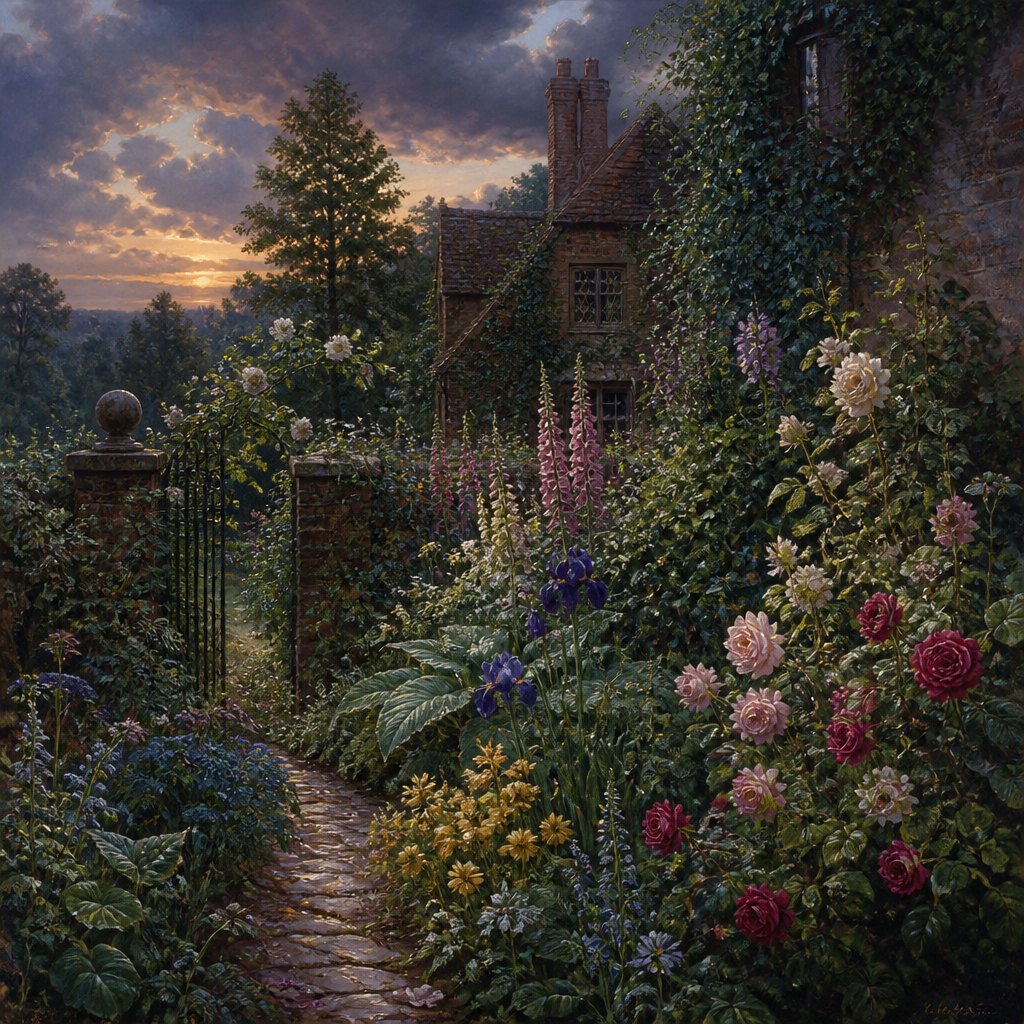 AI-generated
Create in the same spirit
Make Pre Raphaelite Brotherhood art of your own
This AI interpretation echoes the aesthetic world John Everett Millais worked in — it depicts no real artwork. Generate your own with the Pre-Raphaelite Art Style generator.
Open the Pre-Raphaelite Art Style generator →Legacy
Millais proved that Pre-Raphaelite precision could win the mainstream, and his later shift toward broad, confident portraiture showed later Victorian painters that rigor and popularity were not opposites. His meticulous nature studies influenced how generations of British illustrators and landscape painters observed detail, while 'Ophelia' remains one of the most reproduced images in Western art, endlessly echoed in film, fashion, and photography. As the first painter made a baronet and the first Pre-Raphaelite to lead the Royal Academy, he also legitimized the movement he helped launch as a rebellion, folding it into the establishment it once challenged.
Frequently asked questions
What is John Everett Millais famous for?
Millais is famous for co-founding the Pre-Raphaelite Brotherhood and for 'Ophelia' (1852), a meticulously detailed painting of Shakespeare's drowned heroine that remains one of the most recognized images in British art.
Where can I see Millais's paintings today?
Tate Britain in London holds 'Ophelia' and many other major works; the Guildhall Art Gallery and Manchester Art Gallery also hold significant Millais paintings from across his career.
What art movement did Millais belong to?
Millais co-founded the Pre-Raphaelite Brotherhood in 1848, though by the 1860s he had moved away from its intense detail toward a broader, more commercial portrait style.
Did Millais lead the Royal Academy?
Yes. Millais was elected president of the Royal Academy in 1896, the same year he died, becoming the first former Pre-Raphaelite to hold the position.