 Famous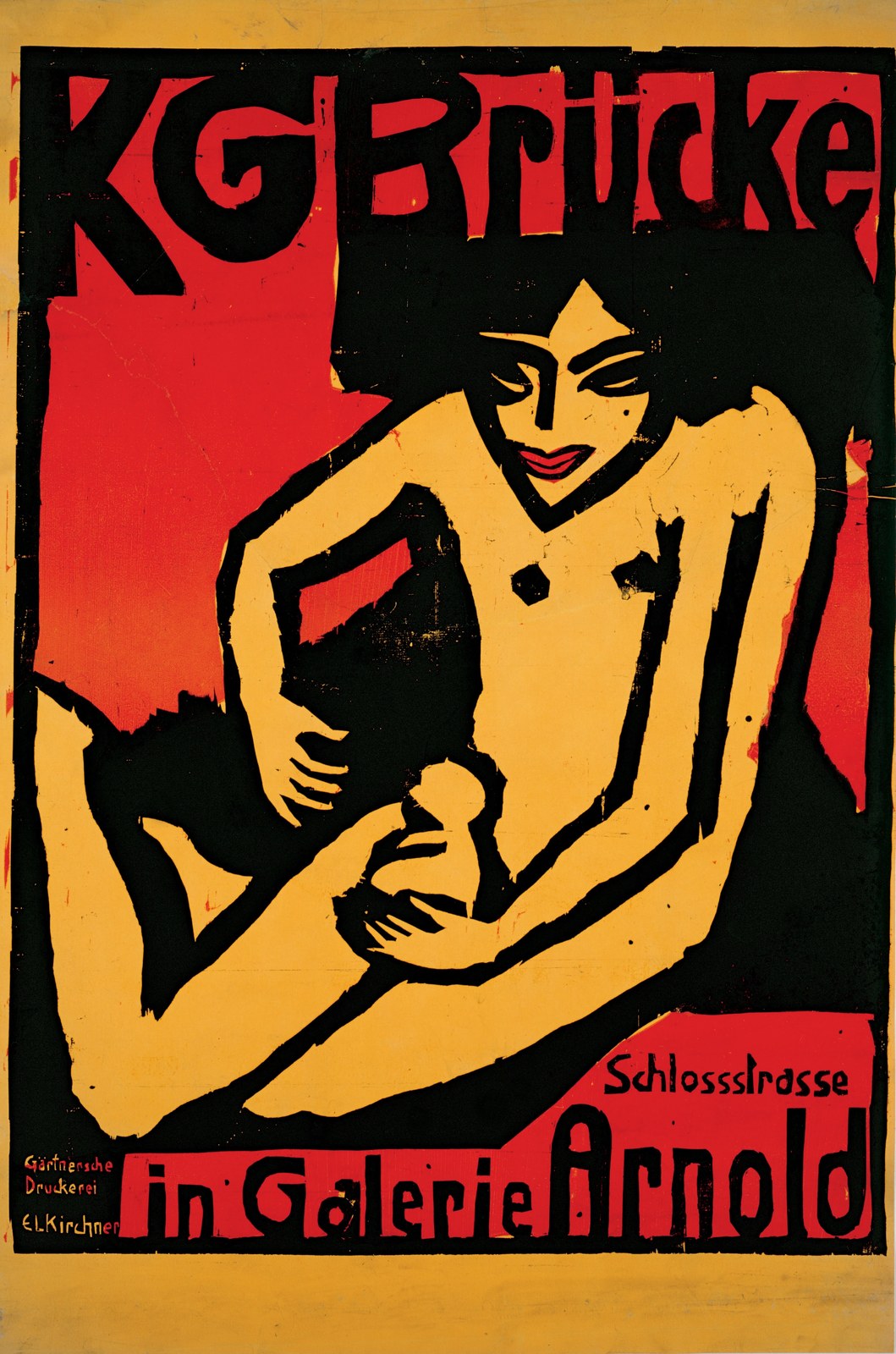
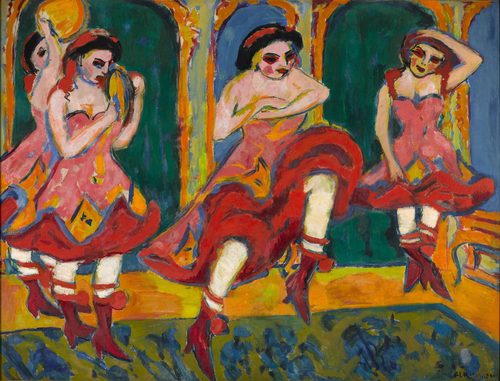
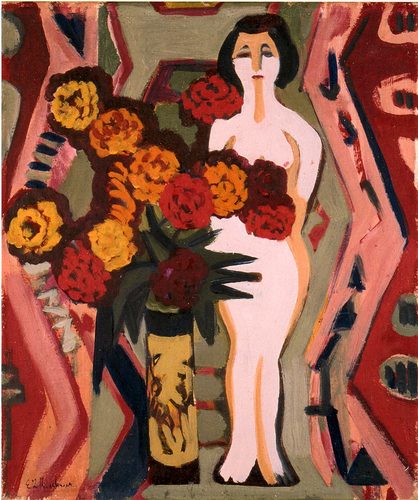
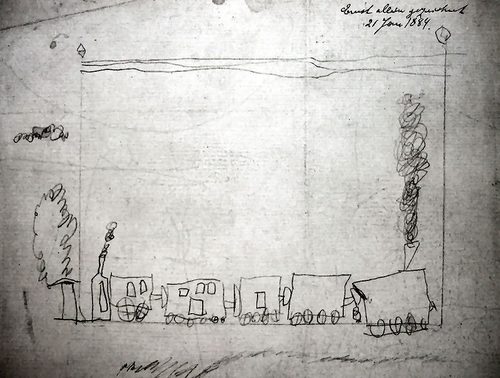
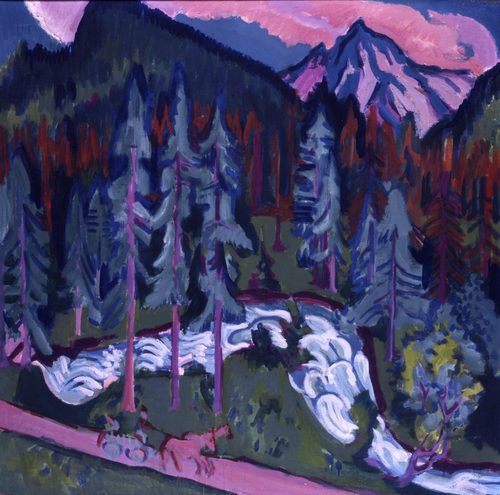
Ernst Ludwig Kirchner (1880–1938) was a German Expressionist painter and printmaker whose jagged, angular depictions of Berlin street life made him the most influential member of Die Brücke, the pioneering group he co-founded in Dresden in 1905.
Trained as an architect before turning fully to painting, Kirchner and fellow students Fritz Bleyl, Erich Heckel, and Karl Schmidt-Rottluff formed Die Brücke to bridge old and new art, drawing on German medieval woodcuts, African and Oceanic carving, and van Gogh's intensity to build a deliberately rough, unschooled style. After relocating to Berlin in 1911, Kirchner turned his nervous, splintered brushwork on the modern metropolis, producing a celebrated series of street scenes populated by elongated, mask-faced figures and elegantly dressed women that captured the city's glamour and menace at once.
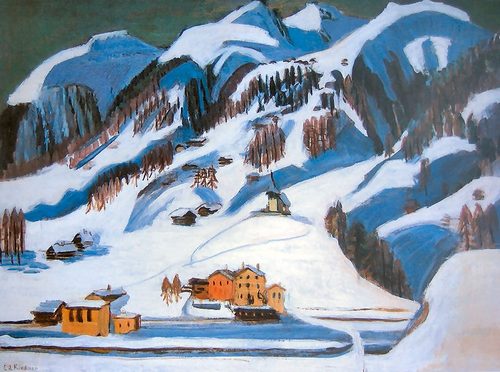
After entering military service in 1915, Kirchner suffered a breakdown during training and was discharged; he spent his later years in Switzerland, continuing to paint Alpine landscapes with the same nervous energy. In 1937 the Nazi regime condemned his work as degenerate, removing hundreds of pieces from German museums. Kirchner died by suicide in Davos in 1938.
How to recognize a Kirchner
Splintered, angular line
Kirchner drew and painted with jagged, nervous strokes that fracture bodies and cityscapes into sharp facets, giving even a calm figure an undertone of tension, as though the scene were caught mid-vibration.
Acid, unnatural color
He pushed color away from description into feeling — poisonous greens, hot pinks, and electric blues collide in skies and clothing, a palette meant to unsettle as much as to depict.
Berlin street scenes
His 1913–1915 Berlin street paintings show elongated, mask-like women in feathered hats moving through crowds rendered as a forest of dark, angular coats, capturing the city's erotic charge and isolation together.
Woodcut-influenced form
Kirchner's deep engagement with printmaking, especially woodcut, carried over into his paintings as flattened planes and heavy black contours, a graphic bluntness borrowed from German medieval and folk sources.
Outdoor summer scenes
Summers at the Moritzburg lakes produced loose, sun-warmed figure studies among trees and water, painted with a directness inspired by so-called primitive art that Die Brücke prized as an escape from academic convention.
Trembling self-portraiture
His self-portraits, including one in a soldier's uniform with an injured painting hand, turned raw psychological states — anxiety, exhaustion, war trauma — directly into unsparing, distorted images of himself.
The life
Ernst Ludwig Kirchner was born in 1880 in Aschaffenburg and studied architecture in Dresden, where in 1905 he joined fellow students Fritz Bleyl, Erich Heckel, and Karl Schmidt-Rottluff to found Die Brücke, a group dedicated to a rough, emotionally direct style opposed to academic painting. The group drew inspiration from Albrecht Dürer's woodcuts, African and Pacific Islander carvings, and Vincent van Gogh, spending summers painting outdoors at the Moritzburg lakes.
In 1911 Kirchner moved to Berlin, and the city's energy transformed his art. Between 1913 and 1915 he produced his best-known works, a series of jagged, feverish street scenes depicting elegantly dressed women and anonymous crowds that captured Berlin's nightlife with equal parts fascination and unease. Die Brücke itself dissolved in 1913 amid internal disputes.
The First World War interrupted this momentum. Kirchner volunteered in 1915, suffered a breakdown during training, and was discharged; recurring illness followed him for years afterward. He resettled in Davos, Switzerland, in 1917, where the mountain landscape gave his later work a new, sometimes more abstract register. His art was declared "degenerate" by the Nazi government in 1937, and hundreds of his works were confiscated from German museums. Isolated and in declining health, Kirchner took his own life in Davos on 15 June 1938.
Timeline
- 1880Born in Aschaffenburg, Germany
- 1901Begins architecture studies in Dresden
- 1905Co-founds Die Brücke with fellow Dresden students
- 1911Moves to Berlin, shifting focus to city life
- 1913Paints his celebrated series of Berlin street scenes
- 1915Drafted, then discharged after a breakdown
- 1917Settles in Davos, Switzerland
- 1937Nazi regime brands his work "degenerate," confiscates hundreds of pieces
- 1938Dies by suicide in Davos
Most famous works
| Work | Date | Why it matters |
|---|---|---|
| Street, Berlin | 1913 | The archetypal Kirchner street scene, with elongated, mask-faced women cutting through a crowd of dark, angular figures. |
| Potsdamer Platz | 1914 | A tense composition centering two feathered, brightly dressed women amid Berlin's wartime unease. |
| Self-Portrait as a Soldier | 1915 | A raw, distorted image showing an injured painting hand, read as a statement on war trauma. |
| Nollendorfplatz | 1912 | A vividly colored Berlin square scene with trams and pedestrians, showing his shift to metropolitan subjects. |
| Winter Landscape in Moonlight | 1919 | An Alpine scene from his Davos years, showing a calmer but still nervy late style. |
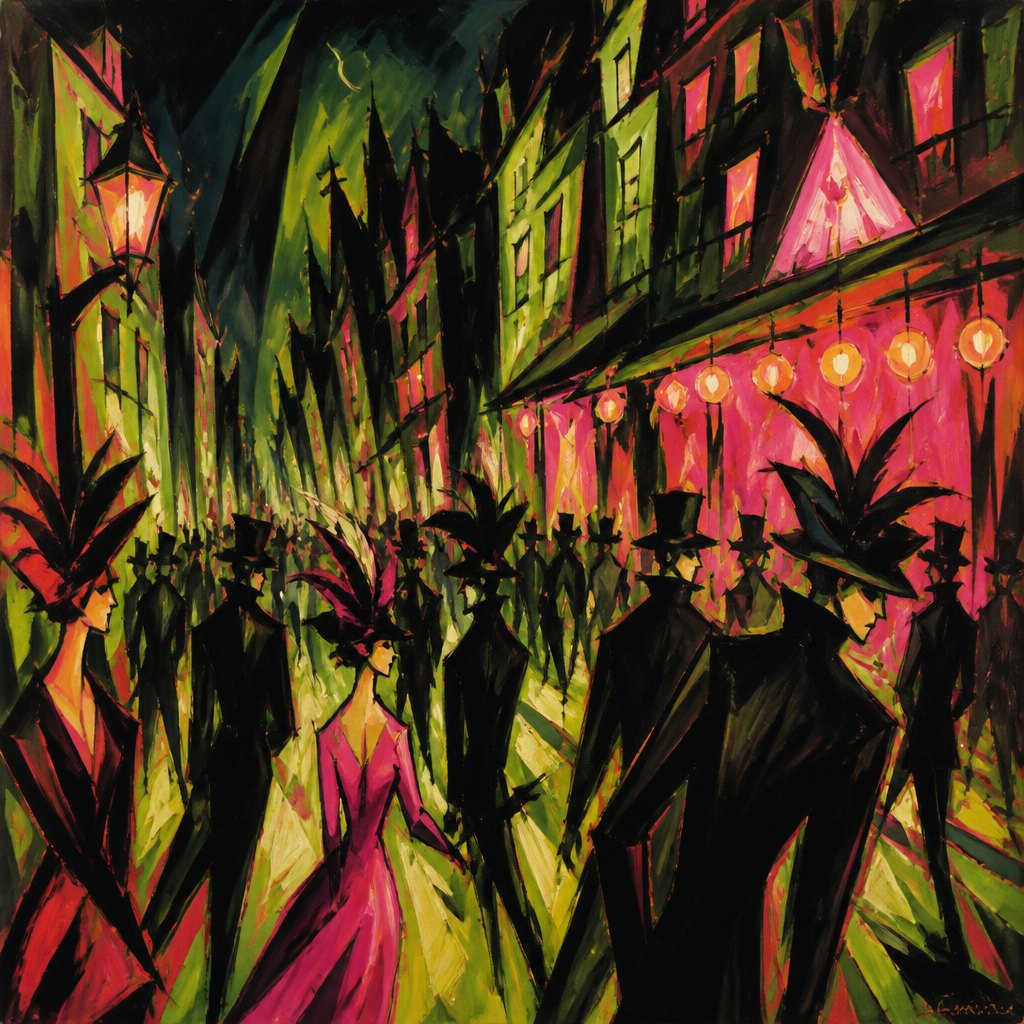 AI-generated
Create in the same spirit
Make Die Brucke art of your own
This AI interpretation echoes the aesthetic world Ernst Ludwig Kirchner worked in — it depicts no real artwork. Generate your own with the Expressionism Art Style generator.
Open the Expressionism Art Style generator →Legacy
Kirchner's jagged, urgent style became a defining image of early twentieth-century urban anxiety and remains the visual shorthand for German Expressionism's confrontation with the modern city. Die Brücke's rejection of academic polish in favor of raw, direct mark-making opened a path later followed by generations of Expressionist and Neo-Expressionist painters across Europe. His posthumous rehabilitation after the Nazi "degenerate art" campaign, which had stripped museums of his work, restored him to the center of twentieth-century German art history. Today the Kirchner Museum in Davos and major holdings in Berlin, Munich, and beyond keep his unsettled vision of city and self before new audiences.
Frequently asked questions
What is Ernst Ludwig Kirchner famous for?
Kirchner is famous for co-founding Die Brücke and for jagged, emotionally charged paintings of Berlin street life, especially his 1913–1915 series of elongated figures moving through the modern city.
Where can I see Kirchner's paintings?
Major collections are held by the Kirchner Museum Davos, Berlin's Brücke-Museum, the Museum Ludwig in Cologne, and international modern-art museums including MoMA and the Detroit Institute of Arts.
What art movement did Kirchner belong to?
Kirchner co-founded Die Brücke in Dresden in 1905, a foundational German Expressionist group; his later Berlin and Davos work is generally still classed within German Expressionism.
How did Ernst Ludwig Kirchner die?
After the Nazi regime condemned his art as degenerate and confiscated hundreds of his works in 1937, Kirchner, isolated and in poor health in Davos, took his own life in June 1938.