 Famous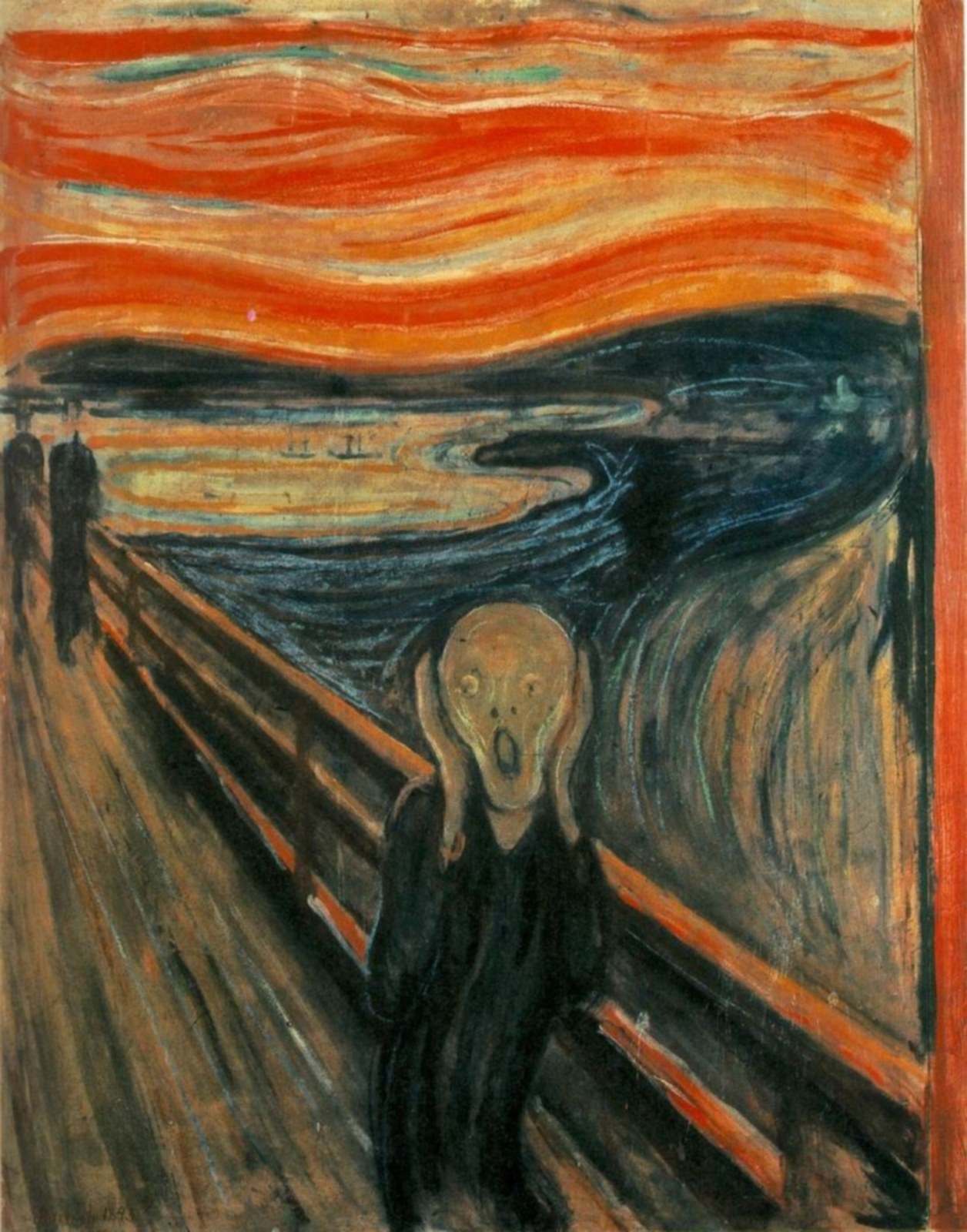
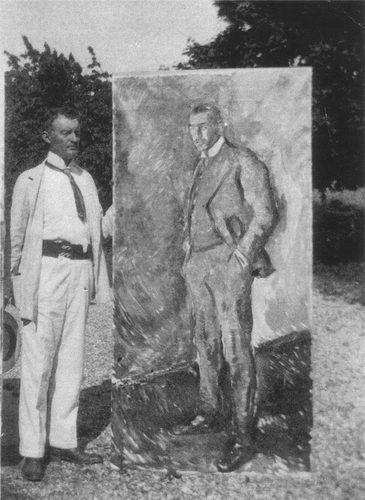
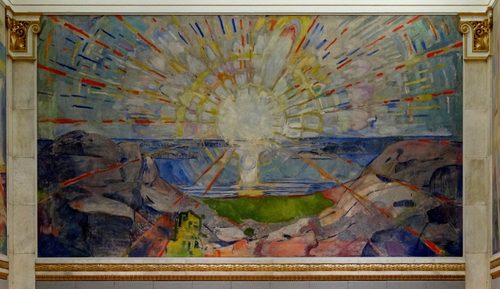
Edvard Munch (1863–1944) was a Norwegian painter and printmaker whose raw, emotionally charged images of anxiety, illness, and grief — above all 'The Scream' — made him one of the founders of European Expressionism and one of art history's most direct visual translators of inner feeling.
Munch's childhood was marked by early loss: his mother and a sister both died of tuberculosis before he was fourteen, and illness and death remained lifelong preoccupations. Training in Christiania (now Oslo) and later exposure to Parisian avant-garde painting pushed him away from naturalism toward simplified forms, unnatural color, and swirling, emotionally distorted line meant to convey mood rather than appearance.
In the 1890s Munch developed his 'Frieze of Life,' a series of paintings on love, anxiety, and death that included 'The Scream,' 'Madonna,' and 'The Sick Child.' A 1908 nervous breakdown led to hospitalization and a calmer, more stable later period. He continued painting prolifically in Norway, largely isolated, until his death in 1944, leaving his estate and a vast body of work to the city of Oslo.
How to recognize a Munch
Swirling, anxious line
Munch's contours bend and pulse, turning sky, water, and figures into wavy, rhythmic bands that seem to vibrate with feeling — line used as a direct register of psychological unease rather than description.
Unnatural, saturated color
Skies burn orange and blood-red, faces turn sickly green or blue — Munch used color for emotional truth over observed reality, intensifying mood far beyond what any landscape or sitter actually showed.
Isolated, stricken figures
A single figure often stands apart from a crowd or landscape, gripped by grief, dread, or longing while others pass by unaware — isolation staged as the true subject of the scene.
Recurring death and illness
Sickbeds, mourners, and pale, ghostly figures recur across his work, drawn directly from childhood loss, treated with plain, unflinching intimacy rather than melodrama, as recurring, almost ritual subjects he returned to for decades.
Flattened, stage-like space
Munch compresses perspective into shallow, almost theatrical space, with bridges, shorelines, or rooms tilted forward like a stage set, pushing his figures' emotional states toward the viewer rather than receding into depth.
Repeated variations on a theme
Munch reworked the same compositions — 'The Scream,' 'Madonna,' sick figures at a bedside — across multiple paintings and prints, treating an image less as a single object than as an idea revisited.
The life
Edvard Munch was born in Løten, Norway, in 1863 into a family repeatedly struck by tuberculosis, which killed his mother when he was five and his elder sister Sophie nine years later. He trained at Christiania's School of Art and Design and, from 1885, made extended trips to Paris, absorbing Impressionist and Post-Impressionist painting alongside Symbolist literary circles.
Through the 1890s, working between Norway, Berlin, and Paris, Munch developed his 'Frieze of Life,' an ongoing series exploring love, anxiety, jealousy, and death, including 'The Scream' and 'Madonna.' His raw subject matter and simplified, expressive style drew controversy — a 1892 exhibition in Berlin was shut down after a single week, an incident that made him instantly notorious across Germany.
Heavy drinking and mounting anxiety led to a breakdown in 1908, after which Munch spent months in a Copenhagen clinic. He returned to Norway calmer and more settled, painting landscapes, portraits, and large mural commissions, including work for the University of Oslo's assembly hall. He lived reclusively at his estate outside Oslo for his final decades, continuing to paint until his death in 1944, and left his enormous personal collection of works to the city.
Timeline
- 1863Born in Løten, Norway
- 1868His mother dies of tuberculosis
- 1885First trip to Paris to study contemporary painting
- 1892Berlin exhibition closed after public outcry
- 1893Paints 'The Scream'
- 1908Suffers a breakdown, hospitalized in Copenhagen
- 1916Completes murals for the University of Oslo
- 1944Dies at his estate near Oslo
Most famous works
| Work | Date | Why it matters |
|---|---|---|
| The Scream | 1893 | A figure clutches its head beneath a swirling blood-red sky, the era's most enduring image of existential anguish. |
| Madonna | 1894-95 | A hybrid of sensuality and death, part of his 'Frieze of Life' exploring love's darker undercurrents. |
| The Sick Child | 1885-86 | A grief-laden painting drawn from his sister's death, reworked in multiple versions across his career. |
| The Dance of Life | 1899-1900 | An allegorical scene of couples dancing under a summer moon, weighing love, desire, and mortality together. |
| Self-Portrait Between the Clock and the Bed | 1940-43 | A late, unsparing self-portrait made near the end of his life, flanked by symbols of time and mortality. |
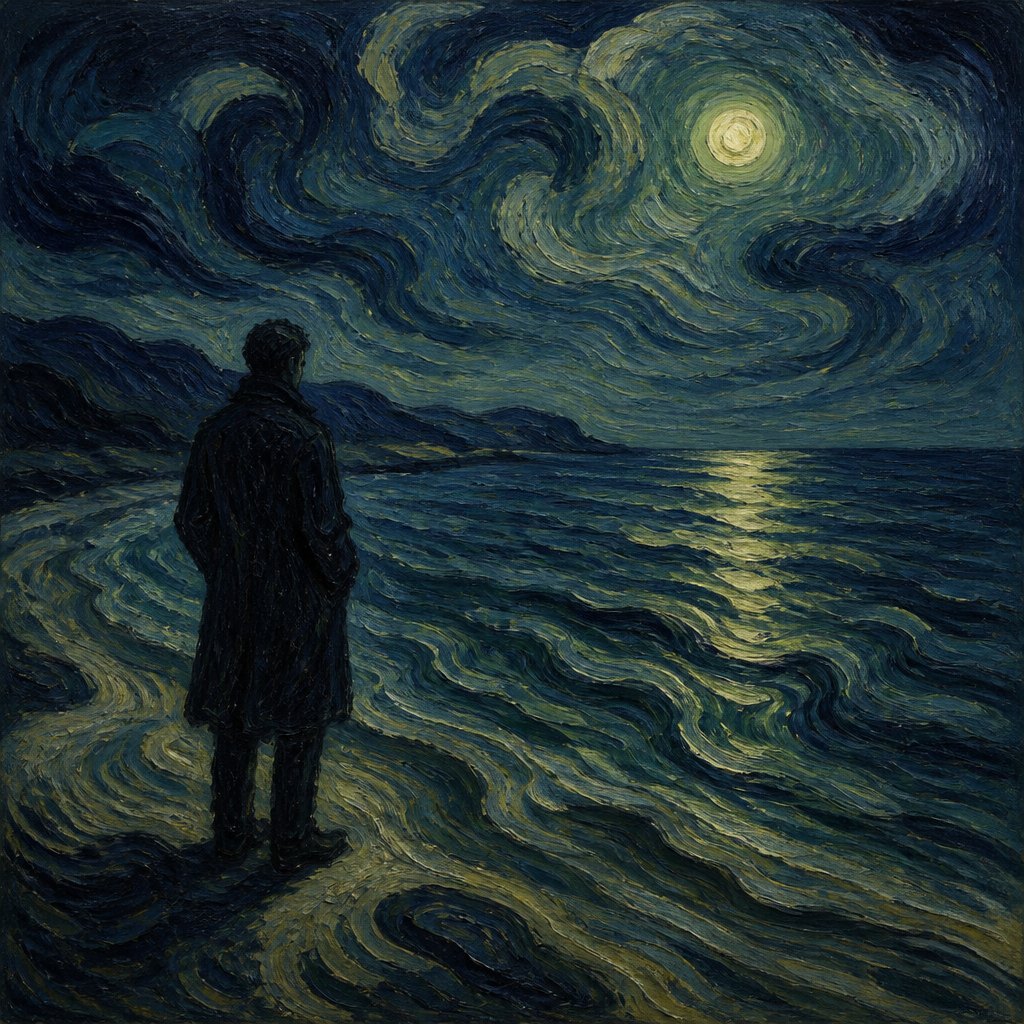 AI-generated
Create in the same spirit
Make Expressionism art of your own
This AI interpretation echoes the aesthetic world Edvard Munch worked in — it depicts no real artwork. Generate your own with the Expressionism Art Style generator.
Open the Expressionism Art Style generator →Legacy
Munch's insistence that painting could render inner emotional states as directly as it rendered a face or a landscape made him a foundational figure for German and Austrian Expressionism, whose painters, including the Die Brücke group, cited him as a direct model. 'The Scream' has since become one of the most recognized images ever made, endlessly reproduced, parodied, and referenced far outside the art world. Munch's willingness to paint illness, grief, and dread without softening them also widened what subject matter counted as serious art, a permission later generations of confessional and expressive painters would rely on.
Frequently asked questions
What is Edvard Munch famous for?
Munch is famous for 'The Scream,' the era's defining image of existential dread, and for pioneering an Expressionist style that used raw color and distorted form to depict psychological and emotional states.
Where can you see Edvard Munch's paintings?
The Munch Museum in Oslo holds the largest collection, including versions of 'The Scream'; other works are held by the National Museum of Norway and museums internationally.
How many versions of 'The Scream' did Munch make?
Munch created four versions of 'The Scream' — two paintings and two pastels — between 1893 and 1910, along with a lithograph print he made to circulate the image more widely.
What art movement is Edvard Munch associated with?
Munch is considered a founding figure of Expressionism, though his early work also belongs to Symbolism, and both movements shaped his focus on emotion over realistic depiction.