FamousArtist

Artists / The Renaissance Wing

Sandro Botticelli

line turned to music: Florence's painter of myth and grace

Lived
1445–1510
Nationality
Italian
Movement
Early Renaissance
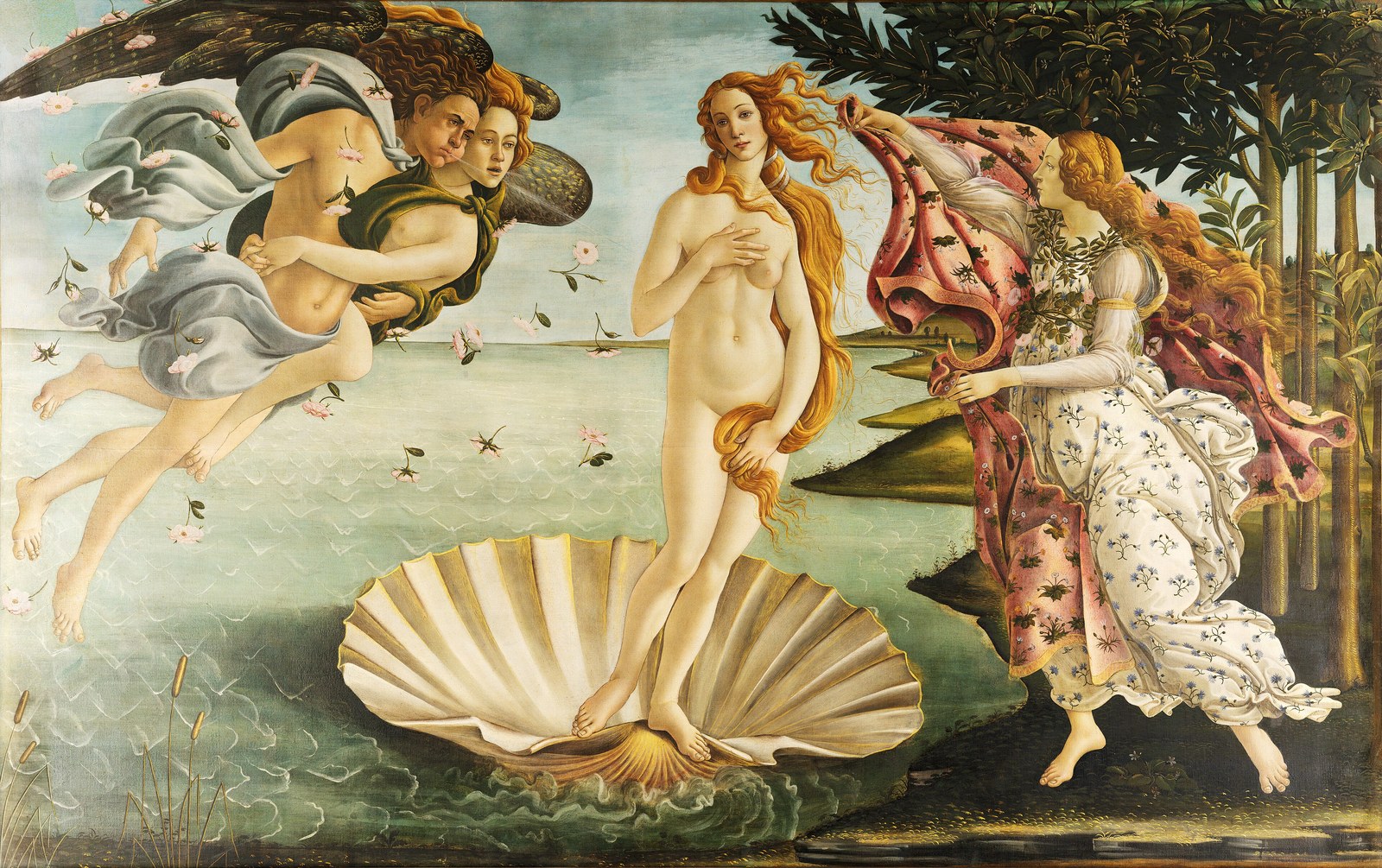
Polish:  Narodziny Wenus The Birth of Venustitle QS:P1476,pl:"Narodziny Wenus "label QS:Lpl,"Narodziny Wenus "label QS:Les,"El nacimiento de Venus"label QS:Lms,"Kelahiran Venus"label QS:Lbg,"Раждането на Венера"label QS:Lksh,"D Jeburt van d Venus"label QS:Lzh-hk,"維納斯的誕生"label QS:Lsk,"Zrodenie Venuše"label QS:Luk,"Народження Венери"label QS:Lzh-hant,"維納斯的誕生"label QS:Lzh-cn,"维纳斯的诞生"label QS:Lko,"비너스의 탄생"label QS:Lkk,"Венераның дүниеге келуі"label QS:Leo,"Naskiĝo de Venuso"label QS:Lcs,"Zrození Venuše"label QS:Lbs,"Rođenje Venere."label QS:Lfr,"La Naissance de Vénus"label QS:Lhr,"Rođenje Venere"label QS:Lvi,"Sự ra đời của thần Vệ Nữ"label QS:Llv,"Veneras dzimšana"label QS:Lsr,"Рођење Венере"label QS:Lzh-sg,"维纳斯的诞生"label QS:Lnb,"Venus' fødsel"label QS:Laz,"Veneranın doğulması"label QS:Len,"The Birth of Venus"label QS:Lar,"مولد فينوس"label QS:Lbr,"Ganedigezh Gwener"label QS:Lyue,"維納斯出世"label QS:Leu,"Venusen jaiotza"label QS:Lru,"Рождение Венеры"label QS:Lde,"Die Geburt der Venus"label QS:Lga,"Breith Véineas"label QS:Lsr-ec,"Рођење Венере"label QS:Lzh,"维纳斯的诞生"label QS:Lda,"Venus' fødsel"label QS:Lka,"ვენერას დაბადება"label QS:Lja,"ヴィーナスの誕生"label QS:Lnrm,"La Naîté de Vénus (Botticelli)"label QS:Larz,"مولد فينوس"label QS:Lhe,"הולדת ונוס"label QS:Lla,"Ortus Veneris"label QS:Lfi,"Venuksen syntymä"label QS:Lit,"Nascita di Venere"label QS:Let,"Venuse sünd"label QS:Lfa,"زایش ونوس"label QS:Lvec,"Nàsita de Venare"label QS:Lpap,"Nacimento di Venus di Botticelli"label QS:Lpt,"O Nascimento de Vênus"label QS:Lmt,"It-Twelid ta’ Venere"label QS:Lhy,"Վեներայի ծնունդը"label QS:Lbe,"Нараджэнне Венеры"label QS:Llt,"Veneros gimimas"label QS:Lsl,"Rojstvo Venere"label QS:Lmk,"Раѓањето на Венера"label QS:Lcy,"Genedigaeth Gwener"label QS:Lzh-tw,"維納斯的誕生"label QS:Lth,"กำเนิดวีนัส"label QS:Lsh,"Rođenje Venere"label QS:Lsi,"botticelli"label QS:Lnl,"De Geboorte van Venus"label QS:Lca,"El naixement de Venus"label QS:Ltr,"Venüs'ün Doğuşu"label QS:Lsv,"Venus födelse"label QS:Lcv,"Венера çурални"label QS:Lgl,"O nacemento de Venus"label QS:Lzh-hans,"维纳斯的诞生"label QS:Lel,"Η Γέννηση της Αφροδίτης"label QS:Lro,"Nașterea zeiței Venus" — Sandro Botticelli
Polish: Narodziny Wenus The Birth of Venustitle QS:P1476,pl:"Narodziny Wenus "label QS:Lpl,"Narodziny Wenus "label QS:Les,"El nacimiento de Venus"label QS:Lms,"Kelahiran Venus"label QS:Lbg,"Раждането на Венера"label QS:Lksh,"D Jeburt van d Venus"label QS:Lzh-hk,"維納斯的誕生"label QS:Lsk,"Zrodenie Venuše"label QS:Luk,"Народження Венери"label QS:Lzh-hant,"維納斯的誕生"label QS:Lzh-cn,"维纳斯的诞生"label QS:Lko,"비너스의 탄생"label QS:Lkk,"Венераның дүниеге келуі"label QS:Leo,"Naskiĝo de Venuso"label QS:Lcs,"Zrození Venuše"label QS:Lbs,"Rođenje Venere."label QS:Lfr,"La Naissance de Vénus"label QS:Lhr,"Rođenje Venere"label QS:Lvi,"Sự ra đời của thần Vệ Nữ"label QS:Llv,"Veneras dzimšana"label QS:Lsr,"Рођење Венере"label QS:Lzh-sg,"维纳斯的诞生"label QS:Lnb,"Venus' fødsel"label QS:Laz,"Veneranın doğulması"label QS:Len,"The Birth of Venus"label QS:Lar,"مولد فينوس"label QS:Lbr,"Ganedigezh Gwener"label QS:Lyue,"維納斯出世"label QS:Leu,"Venusen jaiotza"label QS:Lru,"Рождение Венеры"label QS:Lde,"Die Geburt der Venus"label QS:Lga,"Breith Véineas"label QS:Lsr-ec,"Рођење Венере"label QS:Lzh,"维纳斯的诞生"label QS:Lda,"Venus' fødsel"label QS:Lka,"ვენერას დაბადება"label QS:Lja,"ヴィーナスの誕生"label QS:Lnrm,"La Naîté de Vénus (Botticelli)"label QS:Larz,"مولد فينوس"label QS:Lhe,"הולדת ונוס"label QS:Lla,"Ortus Veneris"label QS:Lfi,"Venuksen syntymä"label QS:Lit,"Nascita di Venere"label QS:Let,"Venuse sünd"label QS:Lfa,"زایش ونوس"label QS:Lvec,"Nàsita de Venare"label QS:Lpap,"Nacimento di Venus di Botticelli"label QS:Lpt,"O Nascimento de Vênus"label QS:Lmt,"It-Twelid ta’ Venere"label QS:Lhy,"Վեներայի ծնունդը"label QS:Lbe,"Нараджэнне Венеры"label QS:Llt,"Veneros gimimas"label QS:Lsl,"Rojstvo Venere"label QS:Lmk,"Раѓањето на Венера"label QS:Lcy,"Genedigaeth Gwener"label QS:Lzh-tw,"維納斯的誕生"label QS:Lth,"กำเนิดวีนัส"label QS:Lsh,"Rođenje Venere"label QS:Lsi,"botticelli"label QS:Lnl,"De Geboorte van Venus"label QS:Lca,"El naixement de Venus"label QS:Ltr,"Venüs'ün Doğuşu"label QS:Lsv,"Venus födelse"label QS:Lcv,"Венера çурални"label QS:Lgl,"O nacemento de Venus"label QS:Lzh-hans,"维纳斯的诞生"label QS:Lel,"Η Γέννηση της Αφροδίτης"label QS:Lro,"Nașterea zeiței Venus", 1485 · Wikimedia Commons (Public domain)
Polish:  Narodziny Wenus The Birth of Venustitle QS:P1476,pl:"Narodziny Wenus "label QS:Lpl,"Narodziny Wenus "label QS:Les,"El nacimiento de Venus"label QS:Lms,"Kelahiran Venus"label QS:Lbg,"Раждането на Венера"label QS:Lksh,"D Jeburt van d Venus"label QS:Lzh-hk,"維納斯的誕生"label QS:Lsk,"Zrodenie Venuše"label QS:Luk,"Народження Венери"label QS:Lzh-hant,"維納斯的誕生"label QS:Lzh-cn,"维纳斯的诞生"label QS:Lko,"비너스의 탄생"label QS:Lkk,"Венераның дүниеге келуі"label QS:Leo,"Naskiĝo de Venuso"label QS:Lcs,"Zrození Venuše"label QS:Lbs,"Rođenje Venere."label QS:Lfr,"La Naissance de Vénus"label QS:Lhr,"Rođenje Venere"label QS:Lvi,"Sự ra đời của thần Vệ Nữ"label QS:Llv,"Veneras dzimšana"label QS:Lsr,"Рођење Венере"label QS:Lzh-sg,"维纳斯的诞生"label QS:Lnb,"Venus' fødsel"label QS:Laz,"Veneranın doğulması"label QS:Len,"The Birth of Venus"label QS:Lar,"مولد فينوس"label QS:Lbr,"Ganedigezh Gwener"label QS:Lyue,"維納斯出世"label QS:Leu,"Venusen jaiotza"label QS:Lru,"Рождение Венеры"label QS:Lde,"Die Geburt der Venus"label QS:Lga,"Breith Véineas"label QS:Lsr-ec,"Рођење Венере"label QS:Lzh,"维纳斯的诞生"label QS:Lda,"Venus' fødsel"label QS:Lka,"ვენერას დაბადება"label QS:Lja,"ヴィーナスの誕生"label QS:Lnrm,"La Naîté de Vénus (Botticelli)"label QS:Larz,"مولد فينوس"label QS:Lhe,"הולדת ונוס"label QS:Lla,"Ortus Veneris"label QS:Lfi,"Venuksen syntymä"label QS:Lit,"Nascita di Venere"label QS:Let,"Venuse sünd"label QS:Lfa,"زایش ونوس"label QS:Lvec,"Nàsita de Venare"label QS:Lpap,"Nacimento di Venus di Botticelli"label QS:Lpt,"O Nascimento de Vênus"label QS:Lmt,"It-Twelid ta’ Venere"label QS:Lhy,"Վեներայի ծնունդը"label QS:Lbe,"Нараджэнне Венеры"label QS:Llt,"Veneros gimimas"label QS:Lsl,"Rojstvo Venere"label QS:Lmk,"Раѓањето на Венера"label QS:Lcy,"Genedigaeth Gwener"label QS:Lzh-tw,"維納斯的誕生"label QS:Lth,"กำเนิดวีนัส"label QS:Lsh,"Rođenje Venere"label QS:Lsi,"botticelli"label QS:Lnl,"De Geboorte van Venus"label QS:Lca,"El naixement de Venus"label QS:Ltr,"Venüs'ün Doğuşu"label QS:Lsv,"Venus födelse"label QS:Lcv,"Венера çурални"label QS:Lgl,"O nacemento de Venus"label QS:Lzh-hans,"维纳斯的诞生"label QS:Lel,"Η Γέννηση της Αφροδίτης"label QS:Lro,"Nașterea zeiței Venus" — Sandro Botticelli
Polish: Narodziny Wenus The Birth of Venustitle QS:P1476,pl:"Narodziny Wenus "label QS:Lpl,"Narodziny Wenus "label QS:Les,"El nacimiento de Venus"label QS:Lms,"Kelahiran Venus"label QS:Lbg,"Раждането на Венера"label QS:Lksh,"D Jeburt van d Venus"label QS:Lzh-hk,"維納斯的誕生"label QS:Lsk,"Zrodenie Venuše"label QS:Luk,"Народження Венери"label QS:Lzh-hant,"維納斯的誕生"label QS:Lzh-cn,"维纳斯的诞生"label QS:Lko,"비너스의 탄생"label QS:Lkk,"Венераның дүниеге келуі"label QS:Leo,"Naskiĝo de Venuso"label QS:Lcs,"Zrození Venuše"label QS:Lbs,"Rođenje Venere."label QS:Lfr,"La Naissance de Vénus"label QS:Lhr,"Rođenje Venere"label QS:Lvi,"Sự ra đời của thần Vệ Nữ"label QS:Llv,"Veneras dzimšana"label QS:Lsr,"Рођење Венере"label QS:Lzh-sg,"维纳斯的诞生"label QS:Lnb,"Venus' fødsel"label QS:Laz,"Veneranın doğulması"label QS:Len,"The Birth of Venus"label QS:Lar,"مولد فينوس"label QS:Lbr,"Ganedigezh Gwener"label QS:Lyue,"維納斯出世"label QS:Leu,"Venusen jaiotza"label QS:Lru,"Рождение Венеры"label QS:Lde,"Die Geburt der Venus"label QS:Lga,"Breith Véineas"label QS:Lsr-ec,"Рођење Венере"label QS:Lzh,"维纳斯的诞生"label QS:Lda,"Venus' fødsel"label QS:Lka,"ვენერას დაბადება"label QS:Lja,"ヴィーナスの誕生"label QS:Lnrm,"La Naîté de Vénus (Botticelli)"label QS:Larz,"مولد فينوس"label QS:Lhe,"הולדת ונוס"label QS:Lla,"Ortus Veneris"label QS:Lfi,"Venuksen syntymä"label QS:Lit,"Nascita di Venere"label QS:Let,"Venuse sünd"label QS:Lfa,"زایش ونوس"label QS:Lvec,"Nàsita de Venare"label QS:Lpap,"Nacimento di Venus di Botticelli"label QS:Lpt,"O Nascimento de Vênus"label QS:Lmt,"It-Twelid ta’ Venere"label QS:Lhy,"Վեներայի ծնունդը"label QS:Lbe,"Нараджэнне Венеры"label QS:Llt,"Veneros gimimas"label QS:Lsl,"Rojstvo Venere"label QS:Lmk,"Раѓањето на Венера"label QS:Lcy,"Genedigaeth Gwener"label QS:Lzh-tw,"維納斯的誕生"label QS:Lth,"กำเนิดวีนัส"label QS:Lsh,"Rođenje Venere"label QS:Lsi,"botticelli"label QS:Lnl,"De Geboorte van Venus"label QS:Lca,"El naixement de Venus"label QS:Ltr,"Venüs'ün Doğuşu"label QS:Lsv,"Venus födelse"label QS:Lcv,"Венера çурални"label QS:Lgl,"O nacemento de Venus"label QS:Lzh-hans,"维纳斯的诞生"label QS:Lel,"Η Γέννηση της Αφροδίτης"label QS:Lro,"Nașterea zeiței Venus", 1485 · Wikimedia Commons (Public domain)
Polish:  Narodziny Wenus The Birth of Venustitle QS:P1476,pl:"Narodziny Wenus "label QS:Lpl,"Narodziny Wenus "label QS:Les,"El nacimiento de Venus"label QS:Lms,"Kelahiran Venus"label QS:Lbg,"Раждането на Венера"label QS:Lksh,"D Jeburt van d Venus"label QS:Lzh-hk,"維納斯的誕生"label QS:Lsk,"Zrodenie Venuše"label QS:Luk,"Народження Венери"label QS:Lzh-hant,"維納斯的誕生"label QS:Lzh-cn,"维纳斯的诞生"label QS:Lko,"비너스의 탄생"label QS:Lkk,"Венераның дүниеге келуі"label QS:Leo,"Naskiĝo de Venuso"label QS:Lcs,"Zrození Venuše"label QS:Lbs,"Rođenje Venere."label QS:Lfr,"La Naissance de Vénus"label QS:Lhr,"Rođenje Venere"label QS:Lvi,"Sự ra đời của thần Vệ Nữ"label QS:Llv,"Veneras dzimšana"label QS:Lsr,"Рођење Венере"label QS:Lzh-sg,"维纳斯的诞生"label QS:Lnb,"Venus' fødsel"label QS:Laz,"Veneranın doğulması"label QS:Len,"The Birth of Venus"label QS:Lar,"مولد فينوس"label QS:Lbr,"Ganedigezh Gwener"label QS:Lyue,"維納斯出世"label QS:Leu,"Venusen jaiotza"label QS:Lru,"Рождение Венеры"label QS:Lde,"Die Geburt der Venus"label QS:Lga,"Breith Véineas"label QS:Lsr-ec,"Рођење Венере"label QS:Lzh,"维纳斯的诞生"label QS:Lda,"Venus' fødsel"label QS:Lka,"ვენერას დაბადება"label QS:Lja,"ヴィーナスの誕生"label QS:Lnrm,"La Naîté de Vénus (Botticelli)"label QS:Larz,"مولد فينوس"label QS:Lhe,"הולדת ונוס"label QS:Lla,"Ortus Veneris"label QS:Lfi,"Venuksen syntymä"label QS:Lit,"Nascita di Venere"label QS:Let,"Venuse sünd"label QS:Lfa,"زایش ونوس"label QS:Lvec,"Nàsita de Venare"label QS:Lpap,"Nacimento di Venus di Botticelli"label QS:Lpt,"O Nascimento de Vênus"label QS:Lmt,"It-Twelid ta’ Venere"label QS:Lhy,"Վեներայի ծնունդը"label QS:Lbe,"Нараджэнне Венеры"label QS:Llt,"Veneros gimimas"label QS:Lsl,"Rojstvo Venere"label QS:Lmk,"Раѓањето на Венера"label QS:Lcy,"Genedigaeth Gwener"label QS:Lzh-tw,"維納斯的誕生"label QS:Lth,"กำเนิดวีนัส"label QS:Lsh,"Rođenje Venere"label QS:Lsi,"botticelli"label QS:Lnl,"De Geboorte van Venus"label QS:Lca,"El naixement de Venus"label QS:Ltr,"Venüs'ün Doğuşu"label QS:Lsv,"Venus födelse"label QS:Lcv,"Венера çурални"label QS:Lgl,"O nacemento de Venus"label QS:Lzh-hans,"维纳斯的诞生"label QS:Lel,"Η Γέννηση της Αφροδίτης"label QS:Lro,"Nașterea zeiței Venus" — Sandro Botticelli
Polish: Narodziny Wenus The Birth of Venustitle QS:P1476,pl:"Narodziny Wenus "label QS:Lpl,"Narodziny Wenus "label QS:Les,"El nacimiento de Venus"label QS:Lms,"Kelahiran Venus"label QS:Lbg,"Раждането на Венера"label QS:Lksh,"D Jeburt van d Venus"label QS:Lzh-hk,"維納斯的誕生"label QS:Lsk,"Zrodenie Venuše"label QS:Luk,"Народження Венери"label QS:Lzh-hant,"維納斯的誕生"label QS:Lzh-cn,"维纳斯的诞生"label QS:Lko,"비너스의 탄생"label QS:Lkk,"Венераның дүниеге келуі"label QS:Leo,"Naskiĝo de Venuso"label QS:Lcs,"Zrození Venuše"label QS:Lbs,"Rođenje Venere."label QS:Lfr,"La Naissance de Vénus"label QS:Lhr,"Rođenje Venere"label QS:Lvi,"Sự ra đời của thần Vệ Nữ"label QS:Llv,"Veneras dzimšana"label QS:Lsr,"Рођење Венере"label QS:Lzh-sg,"维纳斯的诞生"label QS:Lnb,"Venus' fødsel"label QS:Laz,"Veneranın doğulması"label QS:Len,"The Birth of Venus"label QS:Lar,"مولد فينوس"label QS:Lbr,"Ganedigezh Gwener"label QS:Lyue,"維納斯出世"label QS:Leu,"Venusen jaiotza"label QS:Lru,"Рождение Венеры"label QS:Lde,"Die Geburt der Venus"label QS:Lga,"Breith Véineas"label QS:Lsr-ec,"Рођење Венере"label QS:Lzh,"维纳斯的诞生"label QS:Lda,"Venus' fødsel"label QS:Lka,"ვენერას დაბადება"label QS:Lja,"ヴィーナスの誕生"label QS:Lnrm,"La Naîté de Vénus (Botticelli)"label QS:Larz,"مولد فينوس"label QS:Lhe,"הולדת ונוס"label QS:Lla,"Ortus Veneris"label QS:Lfi,"Venuksen syntymä"label QS:Lit,"Nascita di Venere"label QS:Let,"Venuse sünd"label QS:Lfa,"زایش ونوس"label QS:Lvec,"Nàsita de Venare"label QS:Lpap,"Nacimento di Venus di Botticelli"label QS:Lpt,"O Nascimento de Vênus"label QS:Lmt,"It-Twelid ta’ Venere"label QS:Lhy,"Վեներայի ծնունդը"label QS:Lbe,"Нараджэнне Венеры"label QS:Llt,"Veneros gimimas"label QS:Lsl,"Rojstvo Venere"label QS:Lmk,"Раѓањето на Венера"label QS:Lcy,"Genedigaeth Gwener"label QS:Lzh-tw,"維納斯的誕生"label QS:Lth,"กำเนิดวีนัส"label QS:Lsh,"Rođenje Venere"label QS:Lsi,"botticelli"label QS:Lnl,"De Geboorte van Venus"label QS:Lca,"El naixement de Venus"label QS:Ltr,"Venüs'ün Doğuşu"label QS:Lsv,"Venus födelse"label QS:Lcv,"Венера çурални"label QS:Lgl,"O nacemento de Venus"label QS:Lzh-hans,"维纳斯的诞生"label QS:Lel,"Η Γέννηση της Αφροδίτης"label QS:Lro,"Nașterea zeiței Venus", 1485 · Wikimedia Commons (Public domain)
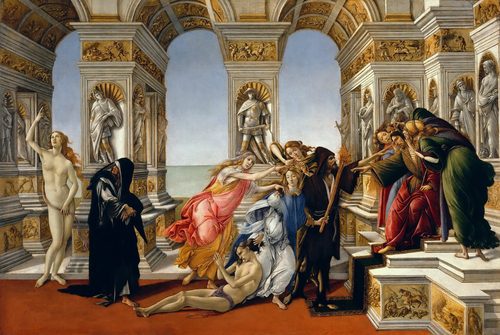
Calumny of Apelles — Sandro Botticelli
Calumny of Apelles, between circa 1496 and circa 1497date QS:P571,+1496-00-00T00:00:00Z/8,P1319,+149 · Wikimedia Commons (Public domain)
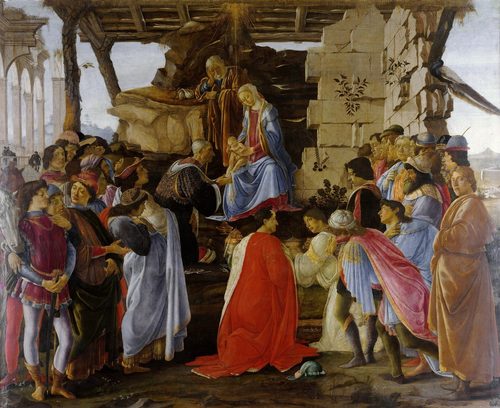
Adoration of the Magi title QS:P1476,en:"Adoration of the Magi "label QS:Len,"Adoration of the Magi "label QS:Les,"Adoración de los Magos"label QS:Lca,"Adoració dels Reis Mags"label QS:Lde,"Anbetung der Heiligen drei Könige"label QS:Lbe,"Пакланенне мудрацоў"label QS:Lfa,"ستایش مغان (بوتیچلی)"label QS:Lzh,"三博士来朝 (波提切利)"label QS:Lda,"Kongernes tilbedelse"label QS:Ltr,"Müneccim Kralların Tapınması"label QS:Lja,"東方三博士の礼拝"label QS:Larz,"سجود المجوس (لوحه)"label QS:Lhe,"הערצת המאגים"label QS:Lko,"동방박사의 경배"label QS:Lit,"Adorazione dei Magi"label QS:Lbn,"আদোরাসিওনে দেই মাজি (বত্তিচেল্লি, ১৪৭৫)"label QS:Lfr,"L'Adoration des mages"label QS:Lpt,"A Adoração dos Magos"label QS:Lmt,"Adorazzjoni tal-Maġi"label QS:Lsl,"Poklon Svetih treh kraljev"label QS:Lhy,"Մոգերի երկրպագություն"label QS:Lth,"การนมัสการของโหราจารย์"label QS:Lpl,"Pokłon Trzech Króli (obraz Sandra Botticellego)"label QS:Lml,"അഡോറേഷൻ ഓഫ് ദി മാഗി (ബോട്ടിസെല്ലി, 1475)"label QS:Lnl,"Aanbidding der Koningen"label QS:Lcs,"Klanění tří králů"label QS:Lbg,"Поклонението на влъхвите (Ботичели)"label QS:Lcy,"Addoliad y Doethion"label QS:Lsk,"Klaňanie troch kráľov (Botticelli, 1475)"label QS:Lgl,"A Adoración do Magos"label QS:Lsv,"Konungarnas tillbedjan"label QS:Lbr,"Adorazione dei Magi"label QS:Lru,"Поклонение волхвов" — Sandro Botticelli
Adoration of the Magi title QS:P1476,en:"Adoration of the Magi "label QS:Len,"Adoration of the Magi "label QS:Les,"Adoración de los Magos"label QS:Lca,"Adoració dels Reis Mags"label QS:Lde,"Anbetung der Heiligen drei Könige"label QS:Lbe,"Пакланенне мудрацоў"label QS:Lfa,"ستایش مغان (بوتیچلی)"label QS:Lzh,"三博士来朝 (波提切利)"label QS:Lda,"Kongernes tilbedelse"label QS:Ltr,"Müneccim Kralların Tapınması"label QS:Lja,"東方三博士の礼拝"label QS:Larz,"سجود المجوس (لوحه)"label QS:Lhe,"הערצת המאגים"label QS:Lko,"동방박사의 경배"label QS:Lit,"Adorazione dei Magi"label QS:Lbn,"আদোরাসিওনে দেই মাজি (বত্তিচেল্লি, ১৪৭৫)"label QS:Lfr,"L'Adoration des mages"label QS:Lpt,"A Adoração dos Magos"label QS:Lmt,"Adorazzjoni tal-Maġi"label QS:Lsl,"Poklon Svetih treh kraljev"label QS:Lhy,"Մոգերի երկրպագություն"label QS:Lth,"การนมัสการของโหราจารย์"label QS:Lpl,"Pokłon Trzech Króli (obraz Sandra Botticellego)"label QS:Lml,"അഡോറേഷൻ ഓഫ് ദി മാഗി (ബോട്ടിസെല്ലി, 1475)"label QS:Lnl,"Aanbidding der Koningen"label QS:Lcs,"Klanění tří králů"label QS:Lbg,"Поклонението на влъхвите (Ботичели)"label QS:Lcy,"Addoliad y Doethion"label QS:Lsk,"Klaňanie troch kráľov (Botticelli, 1475)"label QS:Lgl,"A Adoración do Magos"label QS:Lsv,"Konungarnas tillbedjan"label QS:Lbr,"Adorazione dei Magi"label QS:Lru,"Поклонение волхвов", between circa 1474 and circa 1476date QS:P,+1474-00-00T00:00:00Z/8,P1319,+1474-0 · Wikimedia Commons (Public domain)

Sandro Botticelli (1445–1510) was a Florentine painter whose flowing, linear style and mythological subjects, above all The Birth of Venus and Primavera, made him one of the most distinctive and later most beloved artists of the Early Renaissance.

Born Alessandro di Mariano Filipepi, he trained under Fra Filippo Lippi and opened his own workshop in Florence by 1470, quickly gaining the patronage of the Medici family and their circle. Under their influence he moved beyond religious subjects into large-scale mythological paintings drawn from classical poetry and Neoplatonist philosophy, rendering figures with elegant, curving outlines and a rhythmic, almost musical sense of line rather than strict anatomical realism. In 1481 Pope Sixtus IV summoned him to Rome to help fresco the walls of the newly built Sistine Chapel, alongside Perugino and Ghirlandaio.

Botticelli's late career was shadowed by the religious upheaval Florence underwent under the friar Girolamo Savonarola, and his style grew more austere and emotionally intense. Fashion had moved on by the time he died in Florence in 1510, and he fell into relative obscurity for nearly four centuries before nineteenth-century critics and collectors restored him to his place among the greatest painters of the Renaissance.

How to recognize a Botticelli

01

Flowing, musical line

Botticelli's contours curve and ripple with a rhythmic, almost decorative energy, hair and drapery caught mid-motion, giving even still figures a sense of gentle, continuous movement across the canvas, as if a breeze were passing through the scene.

02

Mythological subject matter

Drawing on classical poetry and Florentine Neoplatonist philosophy, he painted pagan gods and allegorical figures, Venus, Flora, the Graces, at a scale and seriousness usually reserved for religious commissions, a rare fusion for his era.

03

Elegant, elongated figures

His figures are stretched and idealized, with long necks, sloping shoulders, and graceful, slightly unnatural poses that favor visual poetry over strict anatomical accuracy, tuned for rhythm rather than physical exactness.

04

Delicate, linear drapery

Fabric in his paintings clings and flutters in fine, wind-blown lines rather than heavy Masaccio-style folds, turning cloth into an active, almost calligraphic element of the composition rather than a passive covering.

05

Cool, luminous color

Botticelli favored pale golds, soft greens, and cool blues over deep shadow, keeping his mythological scenes bright, legible, and evenly lit rather than built from dramatic chiaroscuro, with little use of heavy contrast.

06

Flattened, decorative space

Rather than emphasizing deep perspective, he often arranged figures against a shallow, patterned backdrop, prioritizing surface rhythm and outline over the illusion of deep, receding space, closer to relief than to a window.

The life

Sandro Botticelli was born Alessandro di Mariano Filipepi in Florence in 1445, the son of a tanner. He trained in the workshop of Fra Filippo Lippi, absorbing Lippi's graceful line and delicate treatment of drapery, and by 1470 had opened his own independent workshop in the city.

Botticelli quickly won the patronage of the Medici family and figures in their circle, who commissioned the large mythological paintings, Primavera and The Birth of Venus, on which his fame chiefly rests. These works, likely inspired by classical texts and the Neoplatonist philosophy fashionable in Medici Florence, broke from religious tradition to give pagan myth the scale and seriousness of altarpiece painting. In 1481 Pope Sixtus IV called him to Rome to help fresco the newly built Sistine Chapel alongside other leading Italian painters, work that added to his reputation across Italy.

In the 1490s, as the friar Girolamo Savonarola rose to dominate Florentine religious and political life, Botticelli's later paintings turned more somber and intensely devotional. Some accounts describe him burning secular works during this period, though the details are uncertain. He continued painting into old age but with declining commissions, and died in Florence in May 1510, his reputation fading until its dramatic revival by critics some four hundred years later.

Timeline

  1. 1445
    Born in Florence
  2. 1464
    Enters the workshop of Fra Filippo Lippi
  3. 1470
    Opens his own workshop in Florence
  4. 1478
    Paints Primavera for the Medici circle
  5. 1481
    Frescoes the Sistine Chapel walls in Rome
  6. 1485
    Paints The Birth of Venus
  7. 1497
    Works under the religious influence of Savonarola's Florence
  8. 1510
    Dies in Florence

Most famous works

WorkDateWhy it matters
The Birth of Venusc. 1485Venus emerging on a shell, one of the most reproduced images of the Renaissance and an early large-scale secular nude.
Primaverac. 1478A dense mythological allegory of spring featuring Venus, the Three Graces, and Flora in a flowering grove.
The Adoration of the Magic. 1475An altarpiece for Santa Maria Novella believed to include portraits of Medici family members among the crowd.
Pallas and the Centaurc. 1482An allegorical panel of reason subduing instinct, likely tied to Medici political imagery of the period.
The Mystical Nativity1500A late, unusually intense religious panel reflecting Botticelli's turn toward austere devotion under Savonarola's influence.
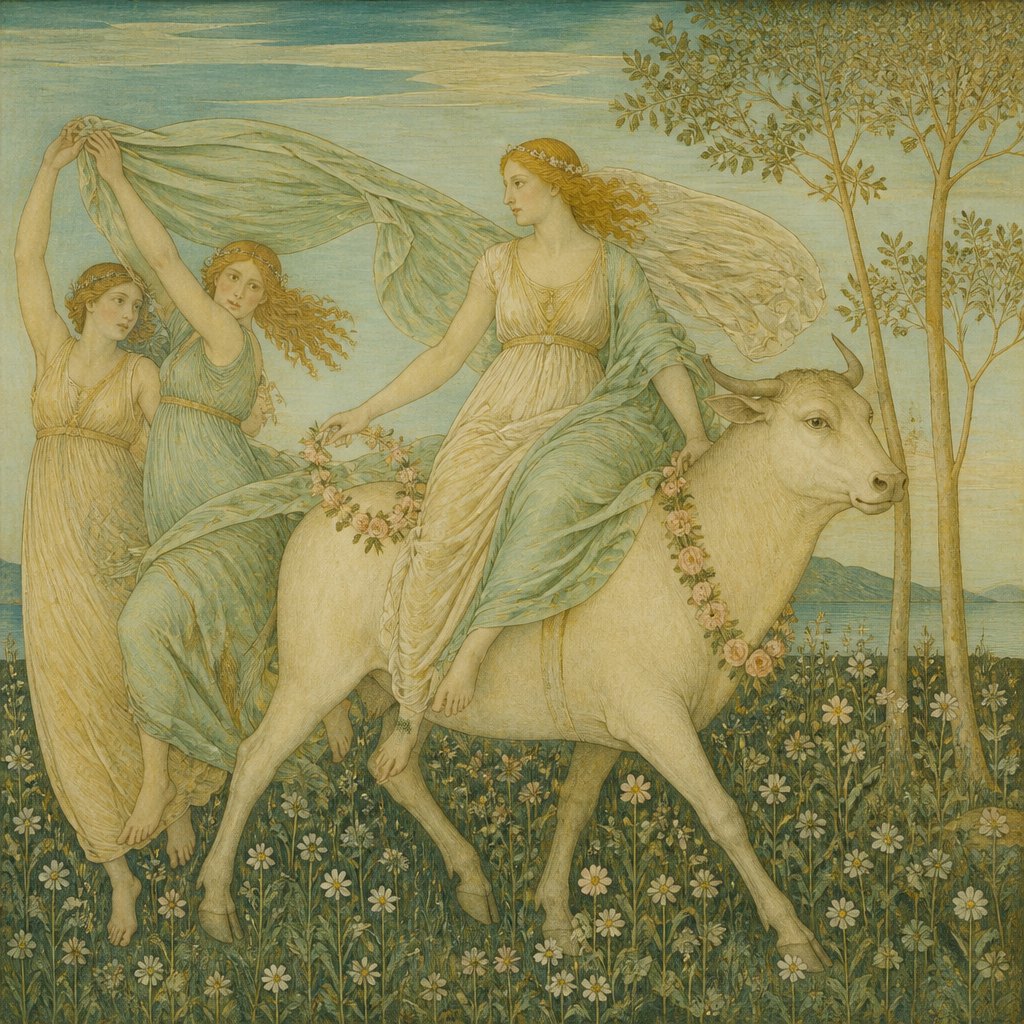
AI-generated interpretationAI-generated

Create in the same spirit

Make Early Renaissance art of your own

This AI interpretation echoes the aesthetic world Sandro Botticelli worked in — it depicts no real artwork. Generate your own with the Quattrocento Perspective Renaissance Art Style generator.

Open the Quattrocento Perspective Renaissance Art Style generator →

Legacy

Botticelli gave the Renaissance one of its most recognizable visual languages: flowing line, mythological subject matter treated with religious seriousness, and figures that read like poetry rather than anatomy. Forgotten for nearly four centuries after his death, he was rediscovered by nineteenth-century critics and the Pre-Raphaelite painters, who found in his linear grace a model for their own work. Today The Birth of Venus is one of the most reproduced images in the world. You feel him now wherever a figure's outline carries as much meaning as its form, in fabric that seems to move with the wind rather than simply hang.

Frequently asked questions

What is Sandro Botticelli famous for?

Botticelli is famous for The Birth of Venus and Primavera, large mythological paintings made for the Medici circle that gave pagan subjects the scale and seriousness usually reserved for religious art.

Where can you see Botticelli's work today?

The Uffizi Gallery in Florence holds both The Birth of Venus and Primavera. Other major works are in the Sistine Chapel in Rome, the National Gallery in London, and the Louvre in Paris.

Why was Botticelli forgotten for so long?

Tastes shifted after his death, and his linear, decorative style fell out of fashion for nearly four centuries. Nineteenth-century critics and the Pre-Raphaelite painters revived interest in his work and restored his reputation.

What movement did Botticelli belong to?

Botticelli worked within the Early Renaissance in Florence, closely tied to the Medici court and Neoplatonist philosophy, developing a distinct, linear style set apart from the more anatomical realism of his contemporaries.