FamousArtist

Artists / The Renaissance Wing

Jan van Eyck

the eye that painted every thread, every reflection, every pore

Lived
1390–1441
Nationality
Flemish
Movement
Northern Renaissance
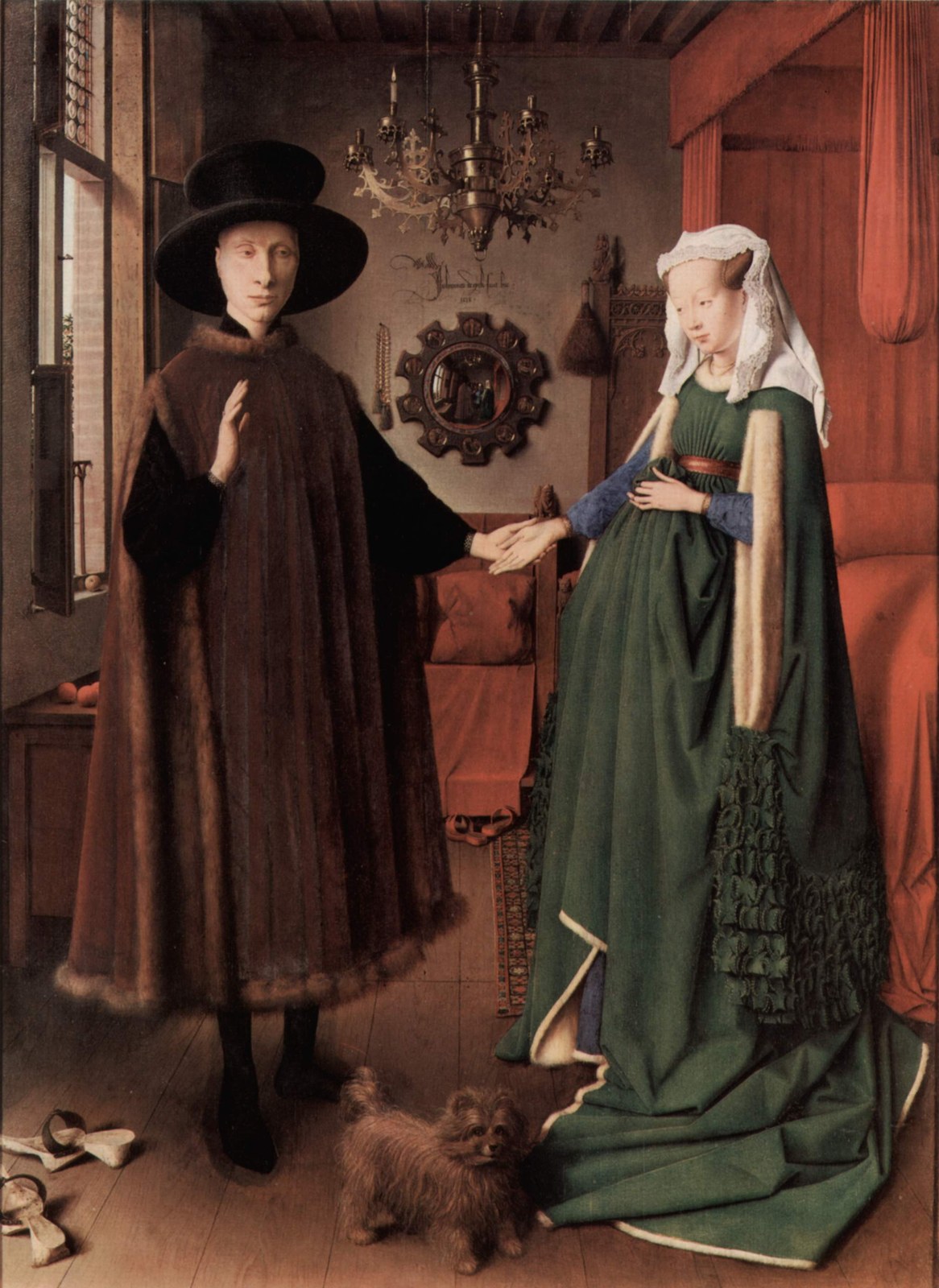
Untitled, known in English as The Arnolfini Portrait, The Arnolfini Wedding, The Arnolfini Marriage, The Arnolfini Double Portrait, or Portrait of Giovanni Arnolfini and his Wife. — Jan van Eyck
Untitled, known in English as The Arnolfini Portrait, The Arnolfini Wedding, The Arnolfini Marriage, The Arnolfini Double Portrait, or Portrait of Giovanni Arnolfini and his Wife., 1434date QS:P571,+1434-00-00T00:00:00Z/9 · Wikimedia Commons (Public domain)
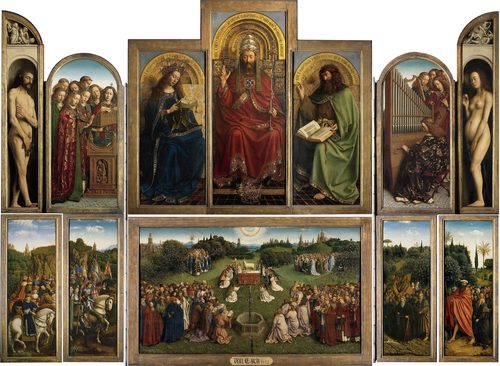
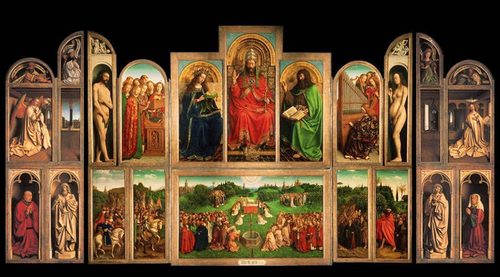
Ghent Altarpiece title QS:P1476,en:"Ghent Altarpiece "label QS:Len,"Ghent Altarpiece "label QS:Les,"Políptico de Gante"label QS:Lhu,"Genti oltár"label QS:Leu,"Bildots mistikoa"label QS:Last,"Polípticu de Gante"label QS:Lru,"Гентский алтарь"label QS:Lde,"Genter Altar"label QS:Lbe,"Генцкі алтар"label QS:Lhy,"Գենտի խորան"label QS:Lbg,"Гентски олтар"label QS:Lda,"Ghent altertavle"label QS:Lro,"Altarul din Ghent"label QS:Lja,"ヘントの祭壇画"label QS:Lsv,"Gentaltaret"label QS:Luk,"Гентський вівтар"label QS:Lzh-hant,"根特祭壇畫"label QS:Lzh-cn,"上帝的羔羊 (范·艾克兄弟)"label QS:Lfi,"Gentin alttari"label QS:Leo,"Genta altaro"label QS:Lit,"Polittico dell'Agnello Mistico"label QS:Lko,"헨트 제단화"label QS:Lfr,"L'Agneau mystique"label QS:Lel,"Πολύπτυχο της Γάνδης"label QS:Let,"Genti altar"label QS:Lcs,"Gentský oltář"label QS:Lhr,"Gentski oltar"label QS:Lsk,"Gentský oltár"label QS:Len-gb,"Ghent Altarpiece"label QS:Lcy,"Allorlun Gent"label QS:Lsr-el,"Gentski oltar"label QS:Lsh,"Gentski oltar"label QS:Lpt,"Retábulo de Ghent"label QS:Lnn,"Genthaltaret"label QS:Lsr,"Гентски олтар"label QS:Lsl,"Gentski oltar"label QS:Llb,"Genter Altor"label QS:Lhe,"תמונת המזבח של גנט"label QS:Lth,"ฉากแท่นบูชาเกนต์"label QS:Lid,"ghent altarpiece"label QS:Lpl,"Ołtarz Gandawski"label QS:Lnb,"Ghent altertavle"label QS:Lnl,"Het Lam Gods"label QS:Lzh,"根特祭坛画"label QS:Lca,"L'adoració de l'Anyell Místic"label QS:Lzh-hk,"根特祭壇畫"label QS:Larz,"تقديس الحمل"label QS:Lsr-ec,"Гентски олтар"label QS:Lar,"تقديس الحمل"label QS:Lzh-hans,"根特祭坛画"label QS:Lmk,"Гентски олтар" — Jan van Eyck
Ghent Altarpiece title QS:P1476,en:"Ghent Altarpiece "label QS:Len,"Ghent Altarpiece "label QS:Les,"Políptico de Gante"label QS:Lhu,"Genti oltár"label QS:Leu,"Bildots mistikoa"label QS:Last,"Polípticu de Gante"label QS:Lru,"Гентский алтарь"label QS:Lde,"Genter Altar"label QS:Lbe,"Генцкі алтар"label QS:Lhy,"Գենտի խորան"label QS:Lbg,"Гентски олтар"label QS:Lda,"Ghent altertavle"label QS:Lro,"Altarul din Ghent"label QS:Lja,"ヘントの祭壇画"label QS:Lsv,"Gentaltaret"label QS:Luk,"Гентський вівтар"label QS:Lzh-hant,"根特祭壇畫"label QS:Lzh-cn,"上帝的羔羊 (范·艾克兄弟)"label QS:Lfi,"Gentin alttari"label QS:Leo,"Genta altaro"label QS:Lit,"Polittico dell'Agnello Mistico"label QS:Lko,"헨트 제단화"label QS:Lfr,"L'Agneau mystique"label QS:Lel,"Πολύπτυχο της Γάνδης"label QS:Let,"Genti altar"label QS:Lcs,"Gentský oltář"label QS:Lhr,"Gentski oltar"label QS:Lsk,"Gentský oltár"label QS:Len-gb,"Ghent Altarpiece"label QS:Lcy,"Allorlun Gent"label QS:Lsr-el,"Gentski oltar"label QS:Lsh,"Gentski oltar"label QS:Lpt,"Retábulo de Ghent"label QS:Lnn,"Genthaltaret"label QS:Lsr,"Гентски олтар"label QS:Lsl,"Gentski oltar"label QS:Llb,"Genter Altor"label QS:Lhe,"תמונת המזבח של גנט"label QS:Lth,"ฉากแท่นบูชาเกนต์"label QS:Lid,"ghent altarpiece"label QS:Lpl,"Ołtarz Gandawski"label QS:Lnb,"Ghent altertavle"label QS:Lnl,"Het Lam Gods"label QS:Lzh,"根特祭坛画"label QS:Lca,"L'adoració de l'Anyell Místic"label QS:Lzh-hk,"根特祭壇畫"label QS:Larz,"تقديس الحمل"label QS:Lsr-ec,"Гентски олтар"label QS:Lar,"تقديس الحمل"label QS:Lzh-hans,"根特祭坛画"label QS:Lmk,"Гентски олтар", 1432 · Wikimedia Commons (Public domain)
Ghent Altarpiece by Jan van Eyck ALL — Jan van Eyck
Ghent Altarpiece by Jan van Eyck ALL · Wikimedia Commons (Public domain)
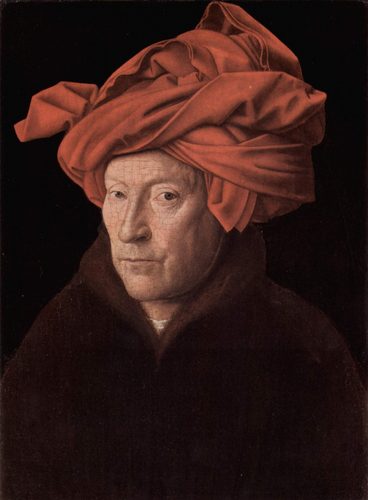
Portrait of a Man (Self Portrait?) title QS:P1476,en:"Portrait of a Man (Self Portrait?) "label QS:Len,"Portrait of a Man (Self Portrait?) "label QS:Les,"Retrato de hombre con turbante"label QS:Lhu,"Önarckép"label QS:Lca,"Home amb caperó vermell"label QS:Lcy,"Hunanbortread"label QS:Lbe,"Аўтапартрэт"label QS:Lfa,"پرتره یک مرد با عمامه سرخ"label QS:Lzh,"自画像"label QS:Lda,"Selvportræt"label QS:Ltr,"Bir Adamın Portresi"label QS:Lja,"自画像"label QS:Larz,"صوره لرجل (لوحه)"label QS:Luk,"Портрет людини в червоному тюрбані"label QS:Lla,"Effigies sui ipsius"label QS:Lfi,"Omakuva"label QS:Lkk,"Автопортрет"label QS:Leo,"Portreto de Viro"label QS:Lbs,"Autoportret"label QS:Lit,"Ritratto di uomo (autoritratto?)"label QS:Lfr,"Portrait d'un homme (autoportrait?)"label QS:Let,"Autoportree"label QS:Lsv,"Porträtt av en man"label QS:Lvec,"Autoritrato"label QS:Lro,"Autoportret"label QS:Lbr,"Emboltred"label QS:Lpt,"Retrato de Homem"label QS:Lsk,"Autoportrét"label QS:Llt,"Autoportretas"label QS:Lhr,"Autoportret"label QS:Lsr,"Аутопортрет"label QS:Lsl,"Portret moža (avtoportret?)"label QS:Lnds,"Sülvstporträt"label QS:Lmk,"Автопортрет"label QS:Lhy,"Ինքնապատկեր"label QS:Lth,"ภาพเหมือนของชายคนหนึ่ง"label QS:Lpl,"Autoportret"label QS:Lhe,"דיוקן עצמי"label QS:Lnl,"Portret van een man (zelfportret?)"label QS:Lbg,"Автопортрет"label QS:Lru,"Портрет мужчины в красном тюрбане"label QS:Lga,"féinphortráid"label QS:Lde,"Porträt eines Mannes (Selbstporträt?)"label QS:Lgl,"Autorretrato"label QS:Lar,"رجل ذو عمامة حمراء"label QS:Lel,"Αυτοπροσωπογραφία"label QS:Lcs,"Autoportrét" — Jan van Eyck
Portrait of a Man (Self Portrait?) title QS:P1476,en:"Portrait of a Man (Self Portrait?) "label QS:Len,"Portrait of a Man (Self Portrait?) "label QS:Les,"Retrato de hombre con turbante"label QS:Lhu,"Önarckép"label QS:Lca,"Home amb caperó vermell"label QS:Lcy,"Hunanbortread"label QS:Lbe,"Аўтапартрэт"label QS:Lfa,"پرتره یک مرد با عمامه سرخ"label QS:Lzh,"自画像"label QS:Lda,"Selvportræt"label QS:Ltr,"Bir Adamın Portresi"label QS:Lja,"自画像"label QS:Larz,"صوره لرجل (لوحه)"label QS:Luk,"Портрет людини в червоному тюрбані"label QS:Lla,"Effigies sui ipsius"label QS:Lfi,"Omakuva"label QS:Lkk,"Автопортрет"label QS:Leo,"Portreto de Viro"label QS:Lbs,"Autoportret"label QS:Lit,"Ritratto di uomo (autoritratto?)"label QS:Lfr,"Portrait d'un homme (autoportrait?)"label QS:Let,"Autoportree"label QS:Lsv,"Porträtt av en man"label QS:Lvec,"Autoritrato"label QS:Lro,"Autoportret"label QS:Lbr,"Emboltred"label QS:Lpt,"Retrato de Homem"label QS:Lsk,"Autoportrét"label QS:Llt,"Autoportretas"label QS:Lhr,"Autoportret"label QS:Lsr,"Аутопортрет"label QS:Lsl,"Portret moža (avtoportret?)"label QS:Lnds,"Sülvstporträt"label QS:Lmk,"Автопортрет"label QS:Lhy,"Ինքնապատկեր"label QS:Lth,"ภาพเหมือนของชายคนหนึ่ง"label QS:Lpl,"Autoportret"label QS:Lhe,"דיוקן עצמי"label QS:Lnl,"Portret van een man (zelfportret?)"label QS:Lbg,"Автопортрет"label QS:Lru,"Портрет мужчины в красном тюрбане"label QS:Lga,"féinphortráid"label QS:Lde,"Porträt eines Mannes (Selbstporträt?)"label QS:Lgl,"Autorretrato"label QS:Lar,"رجل ذو عمامة حمراء"label QS:Lel,"Αυτοπροσωπογραφία"label QS:Lcs,"Autoportrét", 1433 · Wikimedia Commons (Public domain)
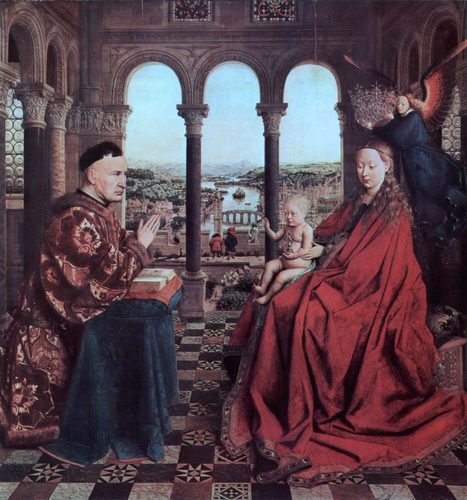
French:  La Vierge et l'Enfant au chancelier Rolin Madonna of Chancellor Rolintitle QS:P1476,fr:"La Vierge et l'Enfant au chancelier Rolin "label QS:Lfr,"La Vierge et l'Enfant au chancelier Rolin "label QS:Lit,"Madonna del cancelliere Rolin"label QS:Lid,"Madonna dari Kanselir Rolin"label QS:Lmk,"Мадона на канцеларот Ролен"label QS:Lzh-hans,"圣母与罗林大臣"label QS:Lhr,"Madona kancelara Rolina"label QS:Lcs,"Madona kancléře Rolina"label QS:Lru,"Мадонна канцлера Ролена"label QS:Lml,"മഡോണ ഓഫ് ചാൻസലർ റോളിൻ"label QS:Lca,"La Mare de Déu del canceller Rolin"label QS:Les,"Virgen del canciller Rolin"label QS:Lde,"Rolin-Madonna"label QS:Lsv,"Kansler Rolins madonna"label QS:Lbe,"Мадонна канцлера Ралена"label QS:Lhy,"Կանցլեր Ռոլենի Մադոննա"label QS:Lzh,"圣母与罗林大臣"label QS:Lda,"Kansler Rolins Madonna"label QS:Lsl,"Madona kanclerja Rolina"label QS:Lja,"宰相ロランの聖母"label QS:Lnl,"De Maagd van kanselier Rolin"label QS:Lhe,"המדונה של הקנצלר רולן"label QS:Larz,"مادونا المستشاره رولين"label QS:Lpl,"Madonna kanclerza Rolin"label QS:Luk,"Мадонна канцлера Ролена"label QS:Lsh,"Madona kancelara Rolina"label QS:Lzh-hant,"聖母與羅林大臣"label QS:Lzh-cn,"圣母与罗林大臣"label QS:Lfi,"Kansleri Rolinin madonna"label QS:Len,"Madonna of Chancellor Rolin"label QS:Lar,"عذراء المستشار رولين" — Jan van Eyck
French: La Vierge et l'Enfant au chancelier Rolin Madonna of Chancellor Rolintitle QS:P1476,fr:"La Vierge et l'Enfant au chancelier Rolin "label QS:Lfr,"La Vierge et l'Enfant au chancelier Rolin "label QS:Lit,"Madonna del cancelliere Rolin"label QS:Lid,"Madonna dari Kanselir Rolin"label QS:Lmk,"Мадона на канцеларот Ролен"label QS:Lzh-hans,"圣母与罗林大臣"label QS:Lhr,"Madona kancelara Rolina"label QS:Lcs,"Madona kancléře Rolina"label QS:Lru,"Мадонна канцлера Ролена"label QS:Lml,"മഡോണ ഓഫ് ചാൻസലർ റോളിൻ"label QS:Lca,"La Mare de Déu del canceller Rolin"label QS:Les,"Virgen del canciller Rolin"label QS:Lde,"Rolin-Madonna"label QS:Lsv,"Kansler Rolins madonna"label QS:Lbe,"Мадонна канцлера Ралена"label QS:Lhy,"Կանցլեր Ռոլենի Մադոննա"label QS:Lzh,"圣母与罗林大臣"label QS:Lda,"Kansler Rolins Madonna"label QS:Lsl,"Madona kanclerja Rolina"label QS:Lja,"宰相ロランの聖母"label QS:Lnl,"De Maagd van kanselier Rolin"label QS:Lhe,"המדונה של הקנצלר רולן"label QS:Larz,"مادونا المستشاره رولين"label QS:Lpl,"Madonna kanclerza Rolin"label QS:Luk,"Мадонна канцлера Ролена"label QS:Lsh,"Madona kancelara Rolina"label QS:Lzh-hant,"聖母與羅林大臣"label QS:Lzh-cn,"圣母与罗林大臣"label QS:Lfi,"Kansleri Rolinin madonna"label QS:Len,"Madonna of Chancellor Rolin"label QS:Lar,"عذراء المستشار رولين", from 1400 until 1450date QS:P,+1450-00-00T00:00:00Z/7,P580,+1400-00-00T00:00:00Z · Wikimedia Commons (Public domain)
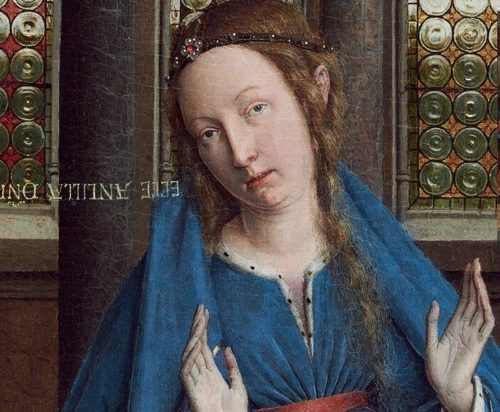
Annunciation (van Eyck, Washington) Mary — Jan van Eyck
Annunciation (van Eyck, Washington) Mary, between circa 1434 and circa 1436date QS:P,+1434-00-00T00:00:00Z/8,P1319,+1434-0 · Wikimedia Commons (Public domain)

Jan van Eyck (c. 1390–1441) was a Flemish painter whose command of oil paint produced a level of realism, in fabric, metal, glass, and skin, that no European artist had achieved before him, making him one of the founders of the Northern Renaissance.

He is first documented in 1422 working for the court of John of Bavaria in The Hague, and by 1425 he had become court painter to Philip the Good, Duke of Burgundy, one of the wealthiest patrons in Europe. Based mainly in Bruges from 1430, Van Eyck built layered oil glazes into surfaces of startling optical accuracy: the fur, brass, and convex mirror of the Arnolfini Portrait; the jewel-crusted robes of the Ghent Altarpiece, completed with his brother Hubert. He often signed his panels with a personal motto, "Als ich kan" (as best I can), and inscribed dates directly onto them, an unusual claim of authorship for his time.

Van Eyck died in Bruges in 1441, having served the Burgundian court for over fifteen years and having, in the process, set a technical and observational standard that Northern European painting measured itself against for generations.

How to recognize a Eyck

01

Microscopic surface detail

Van Eyck rendered individual hairs, weave patterns in cloth, and tiny highlights on metal and glass with a precision that rewards close inspection, as if the whole panel were painted through a magnifying lens.

02

Mastery of oil glazing

By building up thin, transparent layers of oil paint, Van Eyck achieved a jewel-like depth of color and light that tempera could never match, giving fabrics and skin a glowing, almost lit-from-within quality.

03

Reflective and translucent surfaces

Mirrors, glass, polished brass, and jewels appear throughout his work, each rendered with convincing optical accuracy, letting him show a room, a face, or a light source doubled back within the reflection itself.

04

Symbolic domestic interiors

Van Eyck set sacred or ceremonial subjects inside carefully observed, everyday interiors: dogs, oranges, discarded slippers, and convex mirrors, ordinary objects that also carried private, layered religious or social meaning.

05

Precise, individualized portraiture

His portrait sitters are rendered with unflattering honesty: wrinkles, stubble, and asymmetries are kept rather than smoothed away, giving each face a specific, documentary presence rare in painting before him.

06

Inscribed authorship

Van Eyck frequently signed and dated his panels directly on the frame or surface, sometimes with his personal motto, an unusual act of self-assertion that treated the painter as an individual worth naming.

The life

Jan van Eyck was born around 1390, probably in the town of Maaseik in the region that is now Belgium; almost nothing is documented about his training. He first appears in the historical record in 1422, employed as a painter and valet at the court of John of Bavaria, Count of Holland, in The Hague.

After John's death, Van Eyck entered the service of Philip the Good, Duke of Burgundy, in 1425, becoming court painter and a trusted member of his household. The duke valued him enough to send him on confidential diplomatic missions, including a 1428 voyage to Portugal to negotiate Philip's marriage to Isabella of Portugal, for which Van Eyck painted a portrait of the bride-to-be to send home.

By 1430 Van Eyck had settled in Bruges, then a booming center of trade, where he painted for wealthy merchants and clergy alongside his court duties. It was here that he produced his most celebrated works, including the Ghent Altarpiece, finished in 1432 and likely begun by his older brother Hubert, and the Arnolfini Portrait of 1434. He died in Bruges in July 1441, and was buried in the church of St. Donatian.

Timeline

  1. 1390
    Born, probably in Maaseik
  2. 1422
    First documented, working at the court in The Hague
  3. 1425
    Becomes court painter to Philip the Good of Burgundy
  4. 1428
    Travels to Portugal on a diplomatic marriage mission
  5. 1430
    Settles in Bruges
  6. 1432
    Completes the Ghent Altarpiece
  7. 1434
    Paints the Arnolfini Portrait
  8. 1441
    Dies in Bruges

Most famous works

WorkDateWhy it matters
The Ghent Altarpiece1432A monumental many-paneled altarpiece, completed with his brother Hubert, celebrated for its jewel-like detail and radiant color.
The Arnolfini Portrait1434A double portrait built around a convex mirror that reflects the entire room, one of the most analyzed paintings in Western art.
Man in a Red Turban1433A penetrating self-portrait or portrait, likely of the artist, with an intensity of gaze rare for its time.
Portrait of Margaret van Eyck1439A precise, unflinching portrait of the artist's wife, notable for its plain honesty and fine costume detail.
Madonna of Chancellor Rolinc. 1435A devotional panel pairing a kneeling donor with a distant, minutely painted landscape stretching to the horizon.
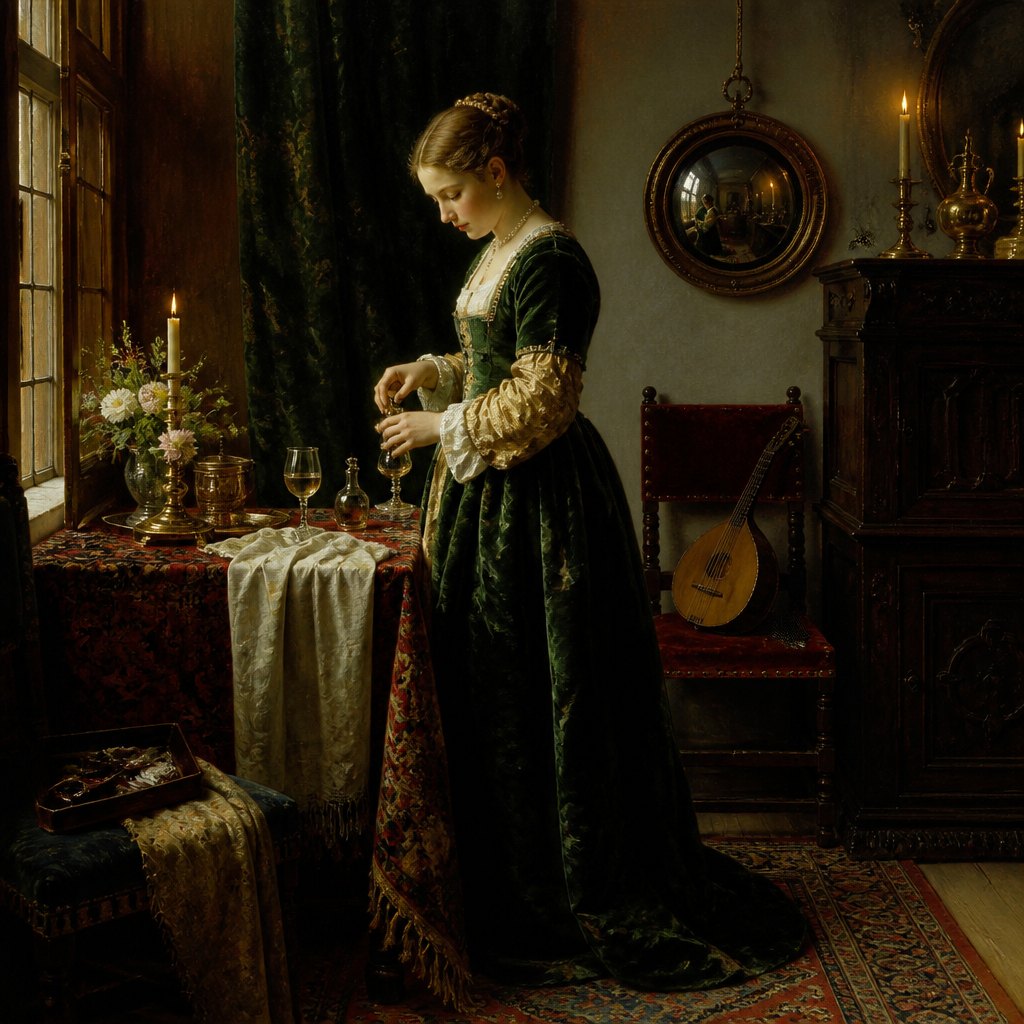
AI-generated interpretationAI-generated

Create in the same spirit

Make Northern Renaissance art of your own

This AI interpretation echoes the aesthetic world Jan van Eyck worked in — it depicts no real artwork. Generate your own with the Renaissance Portrait Art Style generator.

Open the Renaissance Portrait Art Style generator →

Legacy

Van Eyck did not invent oil paint, but he showed Europe what it could do, turning it into a tool for a kind of realism panel painting had never attempted. His technique traveled south into Italy within his own lifetime, reshaping how Italian painters thought about light, texture, and detail. Later Netherlandish painters, from Petrus Christus to Hans Memling, worked directly in his shadow. You feel him now in any painting that asks you to lean in close: in a rendered reflection, a believable fold of velvet, or a portrait that refuses to flatter its sitter into a type.

Frequently asked questions

What is Jan van Eyck famous for?

Van Eyck is famous for perfecting oil painting as a medium of extraordinary realism, rendering fabric, metal, and light with unprecedented precision. His best-known works are the Ghent Altarpiece and the Arnolfini Portrait.

Where can you see Jan van Eyck's work today?

The Ghent Altarpiece remains in St. Bavo's Cathedral in Ghent. The Arnolfini Portrait hangs in the National Gallery in London, with other panels in Bruges, Vienna, and Berlin.

Did Jan van Eyck invent oil painting?

No. Oil paint existed before him, but Van Eyck was among the first to exploit its slow drying time and layered transparency for extraordinary detail, a technical leap later painters across Europe tried to match.

What movement did Jan van Eyck belong to?

Van Eyck is considered a founding figure of the Northern Renaissance, the wave of naturalistic Flemish and Dutch painting that developed alongside, and partly independent of, the Italian Renaissance.